Top 10 Benefits of Industrial Packaging EVOH for Global Buyers?
In today's competitive market, the role of Industrial Packaging EVOH has become crucial for many global buyers. This innovative material provides outstanding barrier properties, making it indispensable in various industries. Industrial Packaging EVOH helps preserve product integrity and extends shelf life. It is especially valuable in food and pharmaceutical sectors, where safety is essential.
Utilizing Industrial Packaging EVOH can enhance product appeal by ensuring freshness and quality. However, it’s important to consider the environmental impact of packaging choices. With increasing scrutiny on sustainability, companies must weigh the benefits against potential drawbacks. Industrial Packaging EVOH might seem like the best option, but it requires responsible sourcing and disposal.
Understanding the full range of benefits associated with Industrial Packaging EVOH can guide buyers in making informed choices. This packaging technology continues to evolve, presenting both opportunities and challenges. By examining its advantages, buyers can align their packaging strategies with both market demands and sustainability goals.
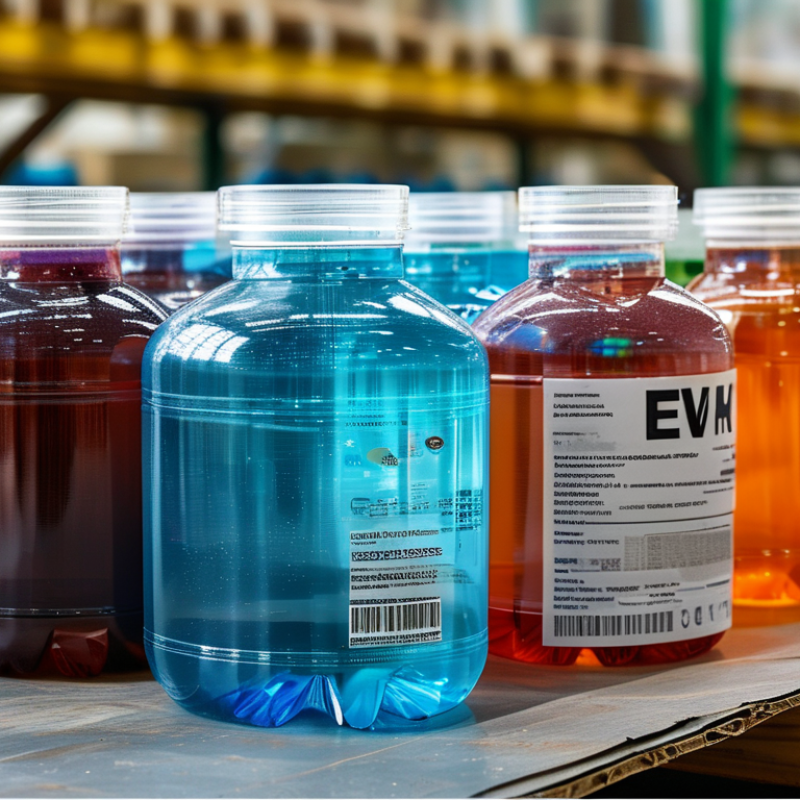
Benefits of Enhanced Barrier Properties in EVOH Industrial Packaging
Enhanced barrier properties in EVOH (Ethylene Vinyl Alcohol) industrial packaging make it a key choice for global buyers. EVOH offers superior resistance to gases, moisture, and volatile organic compounds. According to a report by Smithers Pira, EVOH can reduce oxygen permeability by up to 100 times compared to traditional materials. This can extend the shelf life of products, resulting in lower waste and improved profitability for manufacturers.
Moreover, EVOH is remarkably effective in protecting sensitive goods. For example, food products packaged in EVOH exhibit minimal spoilage, maintaining freshness for longer periods. In the pharmaceutical sector, EVOH's barrier qualities ensure that active ingredients remain stable, enhancing product safety. The demand for such reliable packaging is growing, with the market expected to reach $2.5 billion by 2030, driven by increasing concerns about product integrity.
However, EVOH is not without challenges. Its processing can be more complex than traditional polymers. This might lead to higher production costs. Manufacturers must balance the benefits of enhanced barriers with potential downsides. Sustainability is also a concern, as recyclable options for EVOH are limited. Keeping abreast of these dynamics is crucial for global buyers seeking to optimize their packaging solutions.
Importance of Sustainability in EVOH Packaging Solutions
In recent years, sustainability has become a cornerstone of industrial packaging solutions, particularly in the context of Ethylene Vinyl Alcohol (EVOH) packaging. EVOH is celebrated for its barrier properties, making it an ideal choice for perishable goods. This material significantly reduces food waste, which is a pressing global issue. According to a report from the Food and Agriculture Organization (FAO), approximately one-third of all food produced is wasted. By employing EVOH packaging, companies can extend shelf life and minimize this waste.
The environmental impact of packaging is evident in various metrics. A recent study indicates that packaging accounts for about 30% of global plastic waste. EVOH, being fully recyclable, enters the sustainability dialogue more favorably than traditional options. The World Economic Forum highlights that sustainable packaging can reduce carbon footprint by up to 60% compared to conventional materials. Even though EVOH has its challenges, such as cost and recycling infrastructure, its potential benefits are noteworthy.
Despite these advantages, there is still room for improvement in the EVOH sector. Some facilities may struggle with properly recycling EVOH films. Efforts must focus on developing better systems to collect and process these materials. Additionally, continuous education for buyers about the benefits of using EVOH packaging is essential. This can help bridge the gap between sustainable options and consumer awareness.
Cost-Effectiveness of EVOH for Global Supply Chain Management
EVOH, or ethylene vinyl alcohol, is gaining traction in the realm of industrial packaging. Its barrier properties are often highlighted as a critical advantage in global supply chains. The 2022 Packaging Market Report indicates that incorporating EVOH can reduce oxygen permeability by up to 80%. This feature is particularly valuable for perishable goods, extending shelf life and minimizing waste.
Cost-effectiveness is an essential consideration for global supply chains. A study by the International Journal of Logistics Management revealed that packaging accounts for 30% of total logistics costs. By integrating EVOH, companies can lower overall expenses through enhanced product protection and reduced spoilage rates. For instance, food products packaged with EVOH can maintain quality longer, which translates to fewer losses and higher customer satisfaction.
However, the initial investment for EVOH materials might be a challenge. Companies may hesitate to switch from traditional packaging methods. It’s vital to reflect on the long-term savings that can arise from improved efficiency and waste reduction. Transitioning to EVOH could require training and adaptations in manufacturing processes, but the potential for cost savings should not be overlooked.
Top 10 Benefits of Industrial Packaging EVOH for Global Buyers
| Benefit | Description | Cost-Effectiveness |
| Barrier Properties | Provides excellent gas and moisture barrier, prolonging shelf life. | Reduces spoilage and waste, leading to savings. |
| Sustainability | Made from recyclable materials, supports green initiatives. | Lower lifecycle costs through recycling. |
| Versatility | Suitable for a wide range of products including food and pharmaceuticals. | Reduces need for multiple packaging solutions. |
| Compliance | Meets international standards for safety and quality. | Minimizes regulatory costs and delays. |
| Customizability | Can be adapted for various shapes and sizes of products. | Enhances efficiency in logistics and storage. |
| Consumer Appeal | Attractive packaging improves brand perception. | Increases sales, contributing to overall profit. |
| Cost Reduction | Lower material usage through efficient design. | Direct impact on production costs. |
| Innovation | Forward-thinking solutions for modern packaging needs. | Encourages business growth and market competitiveness. |
| Supply Chain Efficiency | Simplifies logistics and reduces handling costs. | Enhances overall supply chain optimization. |
| Tamper Evidence | Provides security features to ensure product safety. | Minimizes losses due to tampering. |
Versatility of EVOH in Various Industrial Applications
EVOH, or ethylene vinyl alcohol, stands out for its incredible versatility in numerous industrial applications. This polymer is known for its exceptional barrier properties against gases, moisture, and aromas. Consequently, it effectively preserves the quality of products from food to pharmaceuticals. Industries benefit from using EVOH in packaging materials that require enhanced shelf life and reduced spoilage.
In addition to food packaging, EVOH serves various sectors. It is utilized in medical supplies, agricultural films, and more, demonstrating its adaptability. This material supports sustainable practices as it can be recycled, aligning with environmental goals. However, some challenges exist. Its sensitivity to moisture can complicate processes, requiring careful management during production and storage. Buyers must weigh the material's advantages against its limitations when considering its application in their operations.
Improving Product Shelf Life with EVOH Packaging Techniques
EVOH (ethylene vinyl alcohol) packaging is gaining traction. Its barrier properties are key for extending product shelf life. According to industry reports, EVOH materials can reduce oxygen transmission rates by up to 1,000 times compared to traditional packaging. This creates a low-oxygen environment, crucial for preserving food quality.
Fruits, vegetables, and meats benefit greatly from EVOH. Studies show using this packaging can extend shelf life by 30% or more. This extends freshness and reduces waste, which is critical in today’s economy. However, not all products require such high barrier protection. Understanding your product’s specific needs is essential.
Tips: Use EVOH with high-fat items. They require better oxygen barriers to maintain integrity. Also, consider the packaging's compatibility with your supply chain. The cost might seem high, but the long-term savings can be significant. Prioritizing reliable suppliers is crucial. Not every EVOH product is of the same quality. Research helps ensure you choose wisely.