Top 10 Benefits of UVLED Flatbed Printing You Should Know?
UVLED Flatbed Printing has revolutionized the printing industry with its innovative technology. This printing method utilizes ultraviolet light to cure ink instantly, creating vibrant and durable prints. Users often appreciate the precision and detail it offers. However, the understanding of its benefits isn't universal.
One standout feature is its versatility. UVLED Flatbed Printing can print on various materials, from wood to metal and even fabrics. This adaptability allows businesses to expand offerings. Many still fail to realize how cost-effective and efficient this printing method can be over time.
Environmental concerns are increasingly relevant. UVLED inks are generally less harmful, reducing the environmental footprint. Yet, businesses may need to invest upfront in upgraded equipment. While the benefits are remarkable, considerations about initial costs and equipment maintenance are essential. This balance is critical for informed decision-making in adopting UVLED Flatbed Printing.
Understanding UVLED Flatbed Printing Technology
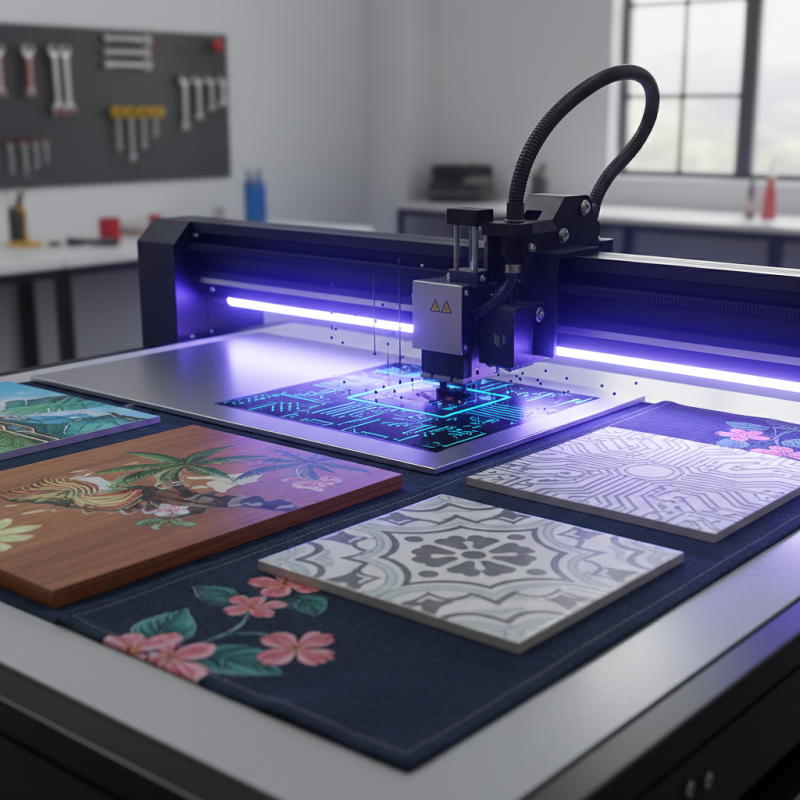
UVLED flatbed printing is revolutionizing the printing industry. This technology uses ultraviolet LED lights to cure ink as it is printed. The result? Faster drying times and vibrant colors. With a focus on environmentally friendly practices, this method reduces waste and harmful emissions.
One prominent study from Smithers Pira indicates that UV printing is expected to grow by 5% annually. This statistic highlights the increasing acceptance of UV technologies in various sectors. Companies are adopting UVLED flatbed printing for its flexibility and ability to print on a range of materials, from wood to metal and plastics.
Tips: When choosing a UVLED printer, consider its compatibility with your preferred substrates. Also, evaluate the energy consumption. Not all printers are created equal, and some may not be energy efficient.
The cost of UVLED printers varies, and initial investments can be high. However, the long-term benefits often compensate for the upfront expenses. Not every business can easily make this transition. It requires a strategic approach to implement effectively. Engaging staff in training can ease this transition.
Environmental Benefits of UVLED Printing Compared to Traditional Methods
UVLED printing is revolutionizing the printing industry. Not only does it offer efficiency, but it also presents significant environmental benefits compared to traditional printing methods. According to a report by Smithers Pira, UVLED technology uses up to 50% less energy than conventional printing techniques. This reduction can lead to lower carbon emissions, making it a more sustainable choice.
UVLED inks are free from volatile organic compounds (VOCs), which are harmful to both health and the environment. A study from the Environmental Protection Agency shows that VOC emissions contribute to air pollution and can affect respiratory health. In contrast, UVLED inks are cured by ultraviolet light, eliminating the need for harmful solvents. This change not only improves air quality but also makes workplaces safer for employees.
Despite these benefits, UVLED printing is not without its challenges. The initial investment in UVLED technology can be higher than traditional methods. However, the long-term savings and positive environmental impact often justify the costs. Businesses must weigh these factors carefully. The transition to UVLED printing reflects a growing awareness of sustainability in the industry.
Cost Efficiency: How UVLED Printing Saves Money in the Long Run
UVLED flatbed printing offers significant cost efficiency, making it a smart investment. According to a recent industry report, UVLED technology can reduce ink consumption by up to 30%. This reduction directly translates to lower operational expenses for businesses. With decreased waste, companies can enjoy long-term savings without compromising on quality.
Moreover, UVLED printers often have lower energy costs. These printers cure inks instantly using ultraviolet light, which means faster production times. A study highlighted that businesses could complete jobs up to 20% more quickly compared to traditional methods. The ability to print on various substrates expands options for businesses, potentially increasing revenue streams.
However, transitioning to UVLED printing requires upfront investment. Many companies find it challenging to adapt to new technologies. There is also a learning curve that could result in temporary inefficiencies. Despite these initial setbacks, the long-term financial benefits can outweigh the hurdles. It’s crucial for businesses to weigh these factors carefully. Investing in UVLED is more than just buying new equipment; it’s a step towards sustainable growth.
Top 10 Benefits of UVLED Flatbed Printing You Should Know
| Benefit | Description | Cost Efficiency Impact |
| Fast Drying Time | UVLED inks cure almost instantly, allowing for faster production times. | Reduces labor costs and increases overall productivity. |
| Energy Efficiency | UVLED printers consume less electricity compared to traditional UV printers. | Lower energy bills contribute to reduced operational costs. |
| Reduced Waste | Minimal ink waste due to efficient curing and less overspray. | Saves money on ink and reduces disposal costs. |
| Versatile Material Compatibility | Can print on a variety of substrates, including rigid and flexible materials. | Allows businesses to expand their product range without significant investment. |
| Vibrant Print Quality | Produces high-quality, vibrant prints due to advanced ink formulations. | Higher quality products can justify premium pricing, increasing revenue. |
| Longer Lasting Prints | UVLED prints are more resistant to scratching and fading. | Reduces the need for reprints, saving costs on materials and labor. |
| Faster Turnaround | Quick curing times facilitate faster job completion. | Improves customer satisfaction and allows for more projects in less time. |
| Environmentally Friendly | UVLED inks produce low emissions and are safer for the environment. | Reduced environmental impact can enhance brand image and appeal to eco-conscious customers. |
| User-Friendly Operation | Modern UVLED printers often feature intuitive interfaces and automatic settings. | Less training required leads to savings in onboarding costs. |
| Minimal Maintenance | UVLED printers typically require less maintenance than traditional printers. | Lower maintenance costs contribute to long-term savings. |
Versatility in Material Compatibility with UVLED Flatbed Printers
UVLED flatbed printers excel in versatility, especially regarding material compatibility. They can print on various surfaces, from wood to metal and acrylic. This adaptability allows businesses to explore new creative avenues. Whether creating custom signage or promotional materials, the printing options are nearly limitless. Users often find themselves amazed at the range of substrates that can effectively showcase high-quality prints.
However, it's crucial to acknowledge some challenges. Not all materials might yield perfect results. Certain surfaces may require pre-treatment to achieve optimal adhesion. Users could spend extra time experimenting to find the best methods and settings. This trial-and-error process can be frustrating but is often necessary for perfecting the finished product. Ultimately, understanding the capabilities and limitations of UVLED printing can significantly enhance the user experience and the quality of printed materials.
Enhanced Print Quality and Durability of UVLED Prints
UVLED flatbed printing offers numerous benefits, especially in print quality and durability. This technology uses UV light to cure ink instantly, leading to sharper details and vibrant colors. The prints made are highly resistant to fading and wear. This means that your designs will remain vivid, even in harsh conditions.
Tips: Always consider the surface material when printing. Different materials respond uniquely to UVLED technology.
Another advantage is the versatility of UVLED prints. They can be applied to various surfaces, including wood, metal, and glass. This adaptability allows for unique and customized products. However, not all materials may yield perfect results. Testing is essential to identify the best combinations.
Tips: Regularly clean your print heads. This practice helps maintain quality and extends the lifespan of your printer.
While UVLED printing promises durability, it’s essential to manage expectations. Some prints may still experience minor scratches or scuffs over time. Continuous evaluation and adjustment can help enhance the end product. Embracing the learning curve in this technology will ultimately lead to better outputs.