What is the Best Method for Using Poster Tubes for Shipping?
Shipping artwork, maps, or posters can be a delicate task. Choosing the right materials is crucial for their protection. Poster tubes for shipping offer an effective solution for safeguarding these items during transit. By using these tubes, you can minimize the risk of damage from bending, folding, or creasing.
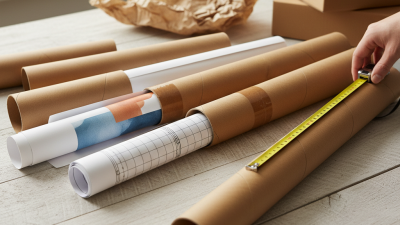
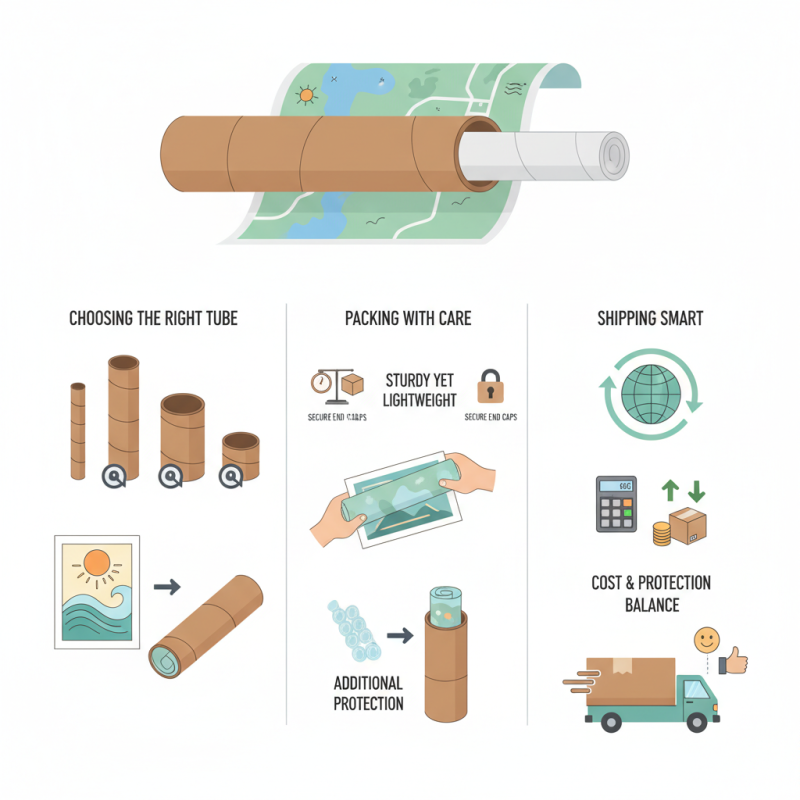
These tubes are designed to be sturdy yet lightweight. However, not all poster tubes are created equal. Consider the diameter and length based on your specific needs. Some tubes come with end caps that secure the contents, while others may require additional packing materials for added protection. It’s essential to choose high-quality tubes that can withstand the rigors of shipping.
Yet, there can be challenges involved. Tubes that are too small may not accommodate larger posters. Over-packing may lead to crushed ends or excessive weight. Be mindful to balance protection with shipping costs for a hassle-free experience. By understanding these nuances, you will enhance the safety of your shipments and ensure your items arrive in perfect condition.
Choosing the Right Poster Tube for Your Shipping Needs
When it comes to shipping posters, choosing the right tube is essential. A sturdy, properly-sized tube ensures that your artwork or documents arrive in perfect condition. Research indicates that about 25% of posters are damaged during transit due to inadequate packaging. This makes selecting the right poster tube crucial for anyone shipping valuable prints.
Look for tubes made of durable materials, like thick cardboard or plastic. A tube that measures at least 3 inches in diameter works well for larger posters. Additionally, consider tubes with end caps or secure closures. These features prevent bending and keep moisture away. A report by the Packing Industry Research Association suggests that high-quality packaging reduces damages by an impressive 40%.
Tip: Label your poster tube clearly. Use bold, waterproof markers to ensure the destination is noticeable. Protect the contents with cushioning materials, like bubble wrap, especially for fragile items.
Not all poster tubes are created equal. Some are lightweight but may lack strength. Consider the weight of your posters and the distance they will travel. A heavy-duty tube may add shipping costs, but it provides peace of mind. Flimsy options often lead to regrets when posters arrive damaged.
Tip: Test different types of poster tubes for your needs. It may save you money and frustration in the long run. Don't hesitate to seek advice from shipping experts about the best options on the market.
Preparing Your Artwork for Safe Packing in Poster Tubes
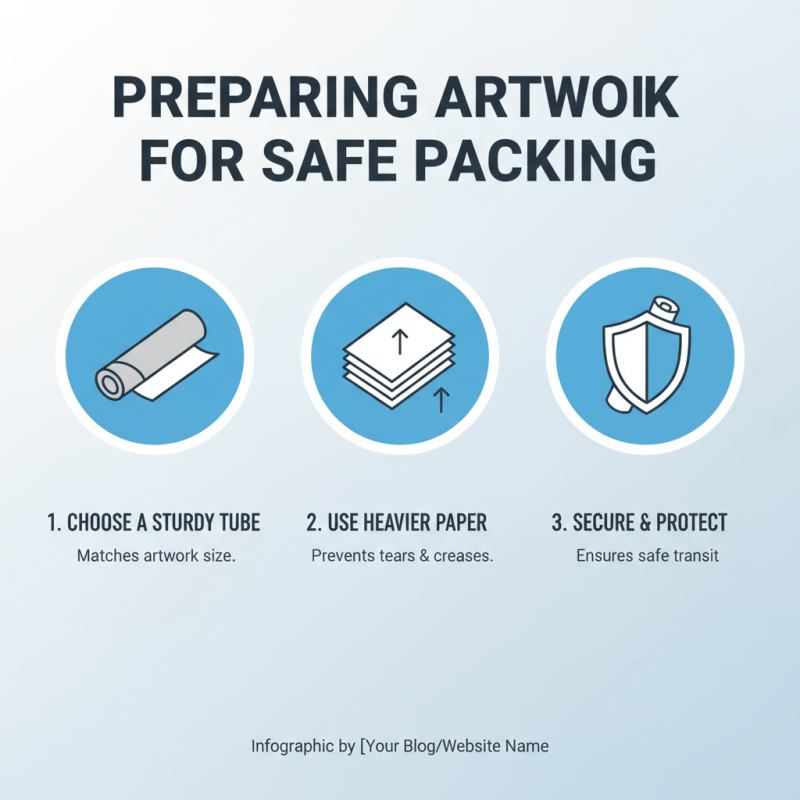
When preparing your artwork for safe packing in poster tubes, it's important to take several steps to ensure its protection. Start by selecting a high-quality tube that is sturdy and suitable for your artwork's size. Lightweight paper may seem enticing, but it can tear easily. Instead, opt for heavier stock. This will provide better durability and helps to avoid creases during transit.
Next, roll your artwork gently. Avoid tight rolls that can cause damage. A loose roll helps maintain the integrity of the piece. For added safety, consider placing a protective layer, like acid-free tissue paper, between the artwork and the tube. This simple step can prevent smudging and add an extra layer of protection.
Finally, sealing the tube correctly is crucial. Use packing tape to secure the ends, ensuring that no moisture can enter. Double-check the seal before shipping. Unpacking artwork can be a delightful moment or a source of anxiety if it arrives damaged. Pay attention to these details to avoid any regrets later on.
Step-by-Step Guide to Packing Posters in Tubes
Packing posters in tubes requires careful attention. The right method can prevent damage during shipping. Start by selecting a quality poster tube that suits your poster size. A sturdy tube will provide better protection. It's critical to ensure the tube cap fits tightly to prevent any movement inside.
Lay the poster flat and roll it carefully. Use a clean, flat surface for this task. Avoid creasing; a tight roll can lead to permanent marks. After rolling, protect the poster with tissue paper or plastic wrap. This extra layer safeguards against moisture and dirt. Insert the rolled poster into the tube gently, ensuring it fits without force.
Sealing the tube is the final step. Use packing tape on both ends to secure the caps. Label the tube clearly with addresses. Double-check for any potential issues, like loose caps. This process might seem trivial, but neglecting these details can lead to poster damage. Be thorough, and you’ll achieve better results.
What is the Best Method for Using Poster Tubes for Shipping? - Step-by-Step Guide to Packing Posters in Tubes
| Step |
Action |
Materials Needed |
Estimated Time |
| 1 |
Gather Materials |
Poster Tube, Posters, Bubble Wrap, Tape |
5 mins |
| 2 |
Prepare the Poster |
Flat Surface, Clean Cloth |
10 mins |
| 3 |
Roll the Poster |
Poster, Clean Hands |
5 mins |
| 4 |
Wrap in Bubble Wrap |
Bubble Wrap, Tape |
5 mins |
| 5 |
Insert into Tube |
Poster Tube |
2 mins |
| 6 |
Seal the Tube |
Tape |
3 mins |
| 7 |
Label and Ship |
Shipping Label, Marker |
5 mins |
Sealing and Labeling Poster Tubes for Secure Shipping
When shipping posters, sealing and labeling the tubes correctly is crucial. Proper sealing prevents damage during transit. Studies show that 40% of shipments can be delayed due to inadequate packaging. Using strong tape to secure the ends is essential. A wide, durable packing tape, rather than regular tape, can ensure a tight seal.
Labeling is equally important. Make sure the label is clear and legible. Research indicates that 25% of shipping errors occur due to unreadable labels. Using bold fonts and contrasting colors can significantly enhance visibility. Consider including return addresses and contact numbers to avoid unnecessary delays.
Mistakes can happen. Tubes might be incorrectly sealed or labels misprinted. Such issues often lead to lost shipments. Reflecting on past experiences can help improve future packaging methods. Test your sealing and labeling process regularly. Improvements can lead to better reliability and customer satisfaction.
Shipping Method Effectiveness for Poster Tubes
Best Practices for Shipping Multiple Posters Using Tubes
When shipping multiple posters using tubes, attention to detail is essential. A well-known industry study indicates that nearly 30% of damaged posters result from incorrect packaging methods. Use sturdy poster tubes designed to withstand pressure and moisture. These tubes must be appropriately sized to prevent unnecessary movement during transit.
Tips: Always use acid-free tissue paper to wrap your posters. This treatment helps prevent ink damage and fading. Sealing the tube securely is also crucial. Tape both ends thoroughly to keep dust and moisture out. Many users overlook the importance of labeling the package correctly. Clear labels can significantly reduce the risk of mishandling.
Ensure posters are rolled gently, maintaining their original curvature. Avoid sharp bends or folds. Research suggests that the optimal rolling diameter is at least two inches. This helps preserve the integrity of the prints. Some shippers fail to consider the weight of the entire package. Heavy tubes can lead to logistical issues and potential returns. Always check with your shipping provider for weight limits.