Why Choose Industrial Cardboard Tubes for Your Packaging Needs?
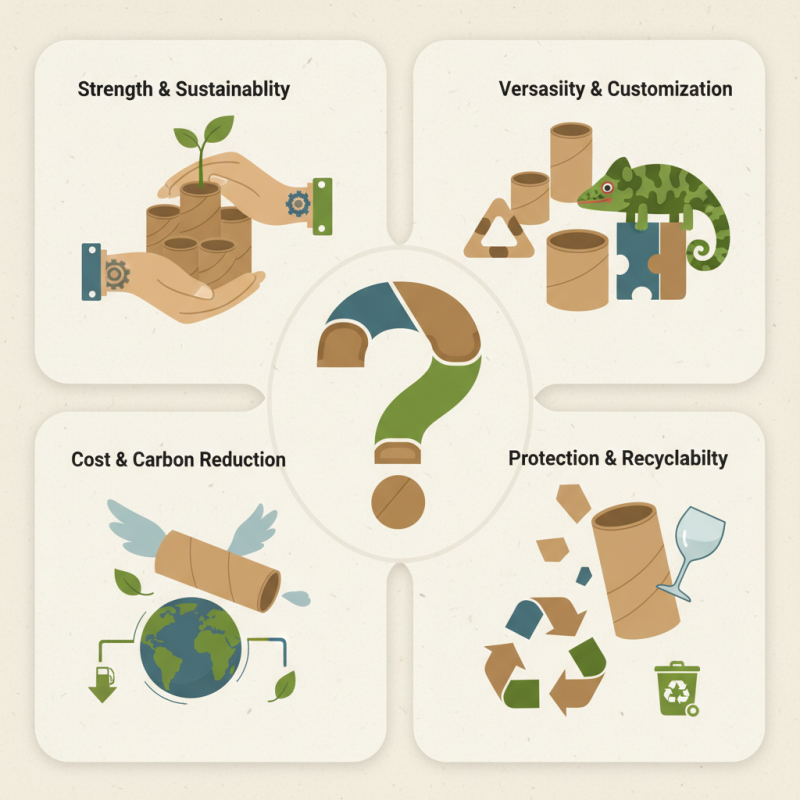
In the ever-evolving world of packaging, the demand for effective and eco-friendly solutions is crucial. Leading expert Dr. Emily Chen, an authority on sustainable materials, says, "Industrial cardboard tubes represent a blend of strength and sustainability." This statement highlights how vital these tubes are for various industries.
Industrial cardboard tubes are not just functional; they also provide versatility in design. Companies can customize the tubes to fit their products perfectly. Their light weight reduces shipping costs and carbon footprints. However, the industry still faces challenges, such as ensuring consistent quality. Some products may not always meet the required standards.
Despite these challenges, the benefits are substantial. Industrial cardboard tubes offer superior protection for goods during transit. They are recyclable, aligning with current environmental trends. This shift toward sustainability is essential in a world increasingly focused on eco-conscious practices. In conclusion, industrial cardboard tubes are a smart choice for modern packaging needs, though attention to quality remains paramount.
Benefits of Using Industrial Cardboard Tubes in Packaging
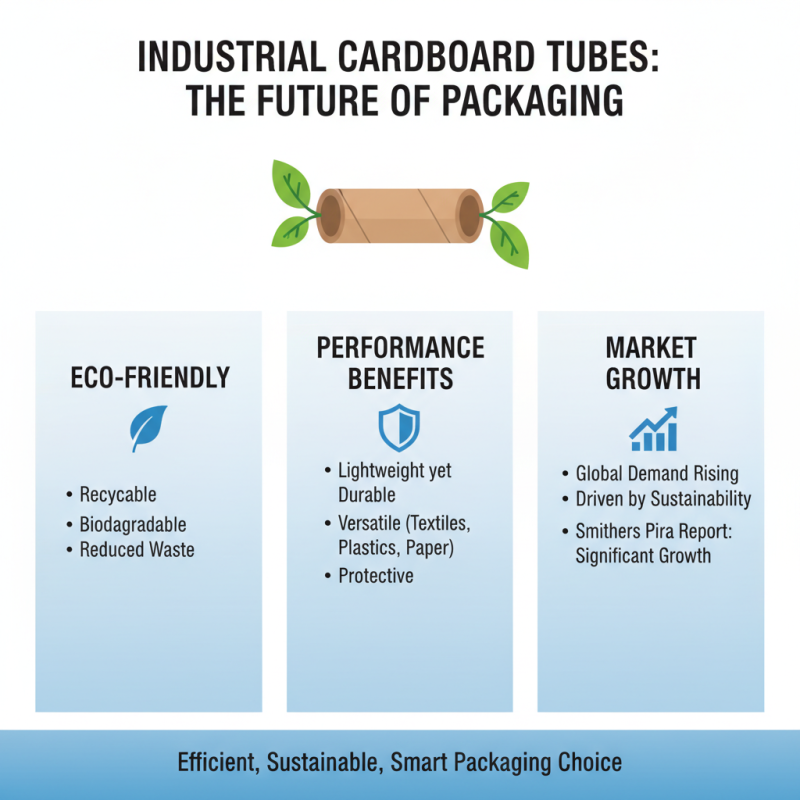
Industrial cardboard tubes are becoming a popular choice in packaging. They offer numerous benefits that can enhance efficiency and sustainability. A report by Smithers Pira indicates that the global cardboard tube market is expected to grow significantly, driven by an increasing demand for eco-friendly packaging solutions. These tubes are lightweight and durable, making them suitable for various products, including textiles, plastics, and paper.
Using cardboard tubes reduces waste. According to the EPA, paper and cardboard account for nearly 30% of municipal solid waste in the U.S. However, cardboard tubes are recyclable. This attribute makes them a responsible choice in today's environmentally conscious market. While users must ensure proper recycling facilities, the potential benefits to the environment are substantial.
Cost-effectiveness is another factor to consider. Industrial cardboard tubes can lower shipping costs due to their lightweight nature. However, their effectiveness also relies on proper manufacturing standards. Poorly made tubes can lead to product damage. Companies should invest in quality suppliers. The challenge lies in balancing cost, quality, and sustainability while meeting specific packaging needs.
Durability and Strength of Cardboard Tubes for Various Products
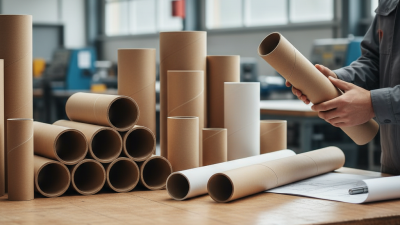
When it comes to packaging, durability and strength are crucial. Industrial cardboard tubes excel in this area. Their robust structure supports a range of products, from textiles to electronic components. They can withstand pressure and are resistant to bending, making them a reliable choice.
Tips for ensuring the best performance of cardboard tubes include proper storage. Keep them in a dry area to avoid moisture damage. Additionally, consider the weight of the contents. Overloading can compromise the tube's integrity. While cardboard tubes are strong, assess your product's needs carefully.
Another aspect is customization. Cardboard tubes can be tailored in size and thickness. This flexibility helps in protecting various items during shipping. However, remember to test different designs. Not every configuration will meet high standards. Regular evaluations can lead to better decisions. Consider feedback for continuous improvement in your packaging strategy.
Why Choose Industrial Cardboard Tubes for Your Packaging Needs?
| Attribute |
Description |
Strength Rating |
Applications |
| Material |
100% recyclable cardboard |
High |
Shipping, retail |
| Weight Capacity |
Holds up to 50 lbs |
Medium |
Food packaging, flooring |
| Moisture Resistance |
Protects contents from humidity |
Medium |
Chemical storage |
| Customizability |
Various sizes and prints available |
High |
Branding, marketing |
| Eco-Friendliness |
Sustainable production processes |
High |
Green packaging solutions |
Environmental Impact: Sustainability of Cardboard Tube Packaging
When considering packaging options, cardboard tubes stand out for their environmental benefits. They are made from renewable materials. Cardboard is biodegradable, which reduces landfill waste. Unlike plastic, cardboard tubes break down more easily. This factor is crucial as we face mounting waste issues globally.
However, not all cardboard is created equal. Some tubes may contain harmful adhesives or coatings. These materials can hinder recyclability. It's important to choose tubes that are fully recyclable and free from toxins. Small choices make a big difference in sustainability.
In addition, the production process of cardboard tubes can still have an environmental impact. Energy consumption and water use must be monitored carefully. It’s worth reflecting on the overall lifecycle of the packaging. Every decision we make shapes our world. Being mindful of these factors helps us work toward a more sustainable future.
Cost-Effectiveness of Industrial Cardboard Tubes for Businesses
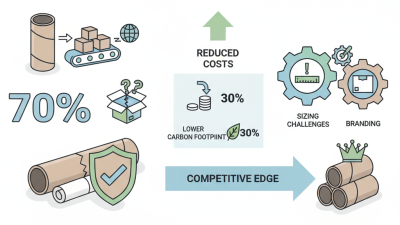
When it comes to packaging, cost-effectiveness is crucial for businesses. Industrial cardboard tubes are an affordable option. According to the Packaging Association, companies can reduce packaging costs by up to 30% by switching to cardboard tubes. This material is lightweight yet sturdy, making it ideal for reducing shipping expenses.
Furthermore, industrial cardboard tubes can be recycled and reused. The Environmental Protection Agency reports that about 75% of cardboard is recycled in the U.S. This reduces waste and lowers disposal costs for businesses. The durability of these tubes also allows for safer storage and transportation. However, not every tube is suitable for all products. Businesses must assess their specific needs carefully.
Both small and large businesses can benefit from these tubes. A recent study indicated that companies using cardboard tubes reported a 20% increase in efficiency. This is largely due to easier handling and organization. However, choosing the right dimensions and thickness is important. Undersizing can lead to damage, while oversizing increases costs. Careful planning is essential for optimal outcomes.
Versatility of Cardboard Tubes in Different Industries and Applications
Industrial cardboard tubes are gaining popularity across various sectors. Their lightweight and durable nature makes them adaptable for multiple applications. In the packaging industry, these tubes serve as reliable containers for products like textiles, films, and paper. According to a report by Smithers Pira, the global demand for cardboard tubes is projected to grow by 4.3% annually, highlighting their increasing use.
In the food sector, cardboard tubes offer an eco-friendly packaging alternative. They can safely hold items like snacks, spices, or gourmet treats. A study indicates that over 70% of consumers prefer sustainable packaging. Yet, some still doubt the effectiveness of cardboard tubes against moisture. Innovations are needed to tackle such challenges and ensure better protection for sensitive products.
In the cosmetics industry, cardboard tubes are used for creams and serums. They create an appealing brand image while supporting eco-conscious efforts. However, the packaging must be designed to avoid damage during shipping. Inadequate cushioning can lead to product loss. Manufacturers must continuously refine their packaging solutions to meet evolving consumer expectations.