How to Choose the Best Printed Aluminum Foil for Your Needs?
When selecting the best printed aluminum foil for your needs, there are critical factors to consider. Printed aluminum foil serves both functional and aesthetic purposes. It can be used for packaging, baking, and even food storage. Brands often differentiate themselves through unique designs and quality. However, not all printed aluminum foils are created equal.
Consider the thickness and durability of the foil. Thicker variants may offer better protection. The print quality also matters. High-quality prints can enhance brand appeal. Yet, be cautious; sometimes, overly vibrant prints may compromise foil integrity. Reflect on your specific use cases before making a decision.
Research reputable suppliers who understand your industry. Their expertise can guide you efficiently. Trust in their recommendations, but also challenge their choices. Ultimately, the best printed aluminum foil aligns with your needs, enhancing both functionality and presentation.
Understanding Different Types of Printed Aluminum Foil Available in the Market
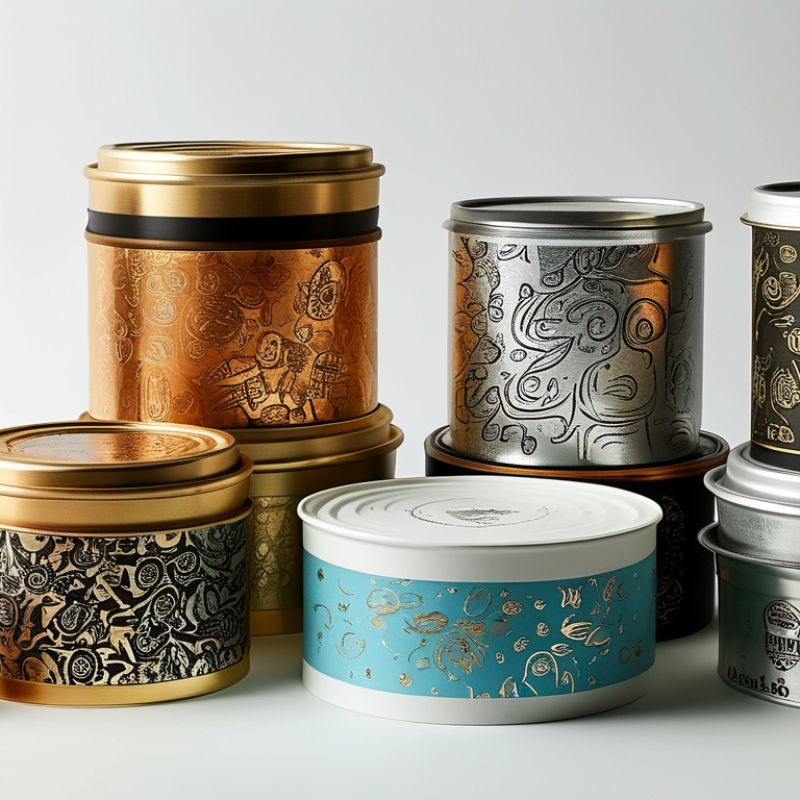
When selecting printed aluminum foil, understanding the various types available is crucial. The market offers several options tailored for different uses. For instance, food packaging companies often prefer varnished printed foil for its moisture barrier properties. According to a recent industry report, about 35% of food brands prioritize print quality on their packaging, showing how crucial it is in attracting consumers.
There are also options like biodegradable printed aluminum foil, which is gaining traction among environmentally conscious brands. A study by the Packaging Industry Association indicates that sustainable packaging solutions have increased by 22% over the past five years. On the other hand, many companies face challenges with print clarity due to inconsistencies in foil quality. In practice, some foils may not adhere well to inks, leading to fading or smudging over time.
Choosing the right type involves considering not only the aesthetics but also functionality. The thickness of the foil matters as it affects durability during transport and storage. Data shows that trends are shifting towards thicker grades for enhanced strength, which is critical for heavy goods. Ultimately, the choice of printed aluminum foil should align with both brand identity and consumer expectations.
Comparative Analysis of Thickness and Strength in Printed Aluminum Foil
When selecting printed aluminum foil, thickness and strength are critical considerations. Thicker films often provide better durability and protection. They can resist tearing and puncturing, making them ideal for heavy-duty applications. However, not all thick materials offer strong performance. It's essential to assess their composition and manufacturing processes.
Choosing the right thickness requires a balance. A 25-micron foil might be suitable for light packaging, while 50 microns is better for industrial needs. We can visually gauge quality, but not everything is as it appears. Sometimes, thickness can hide weaknesses in the material that only appear under stress.
Pay attention to the printing method. Some inks can degrade the foil's strength. Consider testing a sample before committing. Evaluate how well the foil maintains its integrity during transportation or storage. Collect feedback from peers experienced in similar applications. This approach can provide insights that might not be apparent from technical specifications alone.
Comparative Analysis of Thickness and Strength in Printed Aluminum Foil
Evaluating the Importance of Food Safety Standards for Printed Aluminum Foil
When selecting printed aluminum foil, food safety standards should be a priority. These standards ensure that materials are safe for direct food contact. Many manufacturers provide certifications to validate their compliance with safety regulations. Understanding these regulations can be overwhelming, yet it is crucial.
Printed aluminum foil can come in various thicknesses and designs. Some may not withstand high temperatures, leading to potential contamination. It is essential to check the durability of the printed inks and coatings. If they can degrade under heat, they could introduce harmful substances into food items.
Moreover, sourcing from reputable suppliers enhances reliability. Researching the manufacturer’s history and reviews can provide insights into their commitment to safety standards. Not every option labeled "food safe" guarantees total protection. Keeping informed about potential hazards helps make better choices. Remember, safety should never be overlooked in food packaging.
Key Printing Technologies and Their Impact on Aluminum Foil Quality
When selecting printed aluminum foil, understanding printing technologies is crucial. Different techniques can significantly affect the overall quality and durability of the foil. For instance, flexographic printing is popular for its efficiency and vibrant colors. However, this method can sometimes compromise the foil's resistance to moisture.
Digital printing, on the other hand, offers outstanding detail and quick turnaround times. It can produce small batches economically. Yet, the inks used may not always bond to the aluminum effectively, potentially leading to fading over time. It's essential to weigh these aspects when considering your needs.
Another factor to ponder is the environmental impact. Some printing processes use solvents that harm the environment. Therefore, seeking eco-friendly printing options can benefit both your product's longevity and the planet. A deeper understanding of these technologies not only helps in making informed choices but also ensures the final product meets expectations.
Assessing Environmental Considerations When Choosing Printed Aluminum Foil
Environmental considerations are crucial when choosing printed aluminum foil. This decision goes beyond aesthetics to include sustainability. Many people overlook the impact of packaging materials on the environment. Printed aluminum foil can be recyclable, which is beneficial. However, the printing processes often involve inks and coatings that may not be eco-friendly.
When selecting aluminum foil, consider its life cycle. Is the production process sustainable? Does it require excessive energy or raw materials? Assess if the ink used is water-based or solvent-based. Water-based inks are typically more environmentally friendly. Additionally, look for certifications that indicate eco-conscious manufacturing practices.
Another aspect to reflect upon is disposal. Once used, how easy is it to recycle the foil? The contamination from food may complicate this process. Your choice should help reduce waste and promote recycling. Be mindful that not all regions have facilities for recycling aluminum. This limitation may affect your decision. Finding a balance between functional needs and environmental impact can be challenging but is essential for responsible consumption.
How to Choose the Best Printed Aluminum Foil for Your Needs? - Assessing Environmental Considerations When Choosing Printed Aluminum Foil
| Factor | Considerations | Environmental Impact | Recommendations |
| Material Source | Recycled vs. Virgin Aluminum | Recycled aluminum requires 95% less energy to produce. | Choose products made from recycled materials. |
| Printed Inks | Solvent-based vs. Water-based Inks | Water-based inks are less toxic and more environmentally friendly. | Opt for water-based inks for safer options. |
| Packaging | Single-use vs. Reusable Packaging | Single-use contributes to increased waste. | Select products with reusable or biodegradable packaging. |
| End-of-life | Recyclable vs. Non-recyclable | Recyclable materials minimize landfill impact. | Prioritize fully recyclable aluminum products. |
| Production Process | Energy Consumption and Emissions | High energy usage leads to larger carbon footprint. | Look for manufacturers with eco-friendly production practices. |