How to Choose the Best Sachet Film for Your Packaging Needs?
In the evolving world of packaging, the choice of Sachet Film can significantly impact a product's success. According to a recent report by Smithers Pira, the global flexible packaging market is projected to grow at a CAGR of 4.4% to reach $290 billion by 2025. This growth highlights the increasing demand for effective packaging solutions, such as sachet film. The right film not only protects products but also enhances shelf appeal.
Choosing the right sachet film requires understanding your specific needs. Factors such as moisture resistance, barrier properties, and compatibility with filling machines play critical roles. Data from the Flexible Packaging Association indicates that 80% of consumers recognize flexible packaging for its convenience and sustainability. However, selecting an optimal film isn't always straightforward and may require trial and error.
It's important to recognize that not every sachet film is suitable for every application. Some films may fail under certain environmental conditions, leading to product spoilage. Professionals in the industry encourage conducting thorough research before making a decision. Balancing functionality, aesthetics, and cost is vital for optimal performance.
Understanding the Different Types of Sachet Films and Their Properties
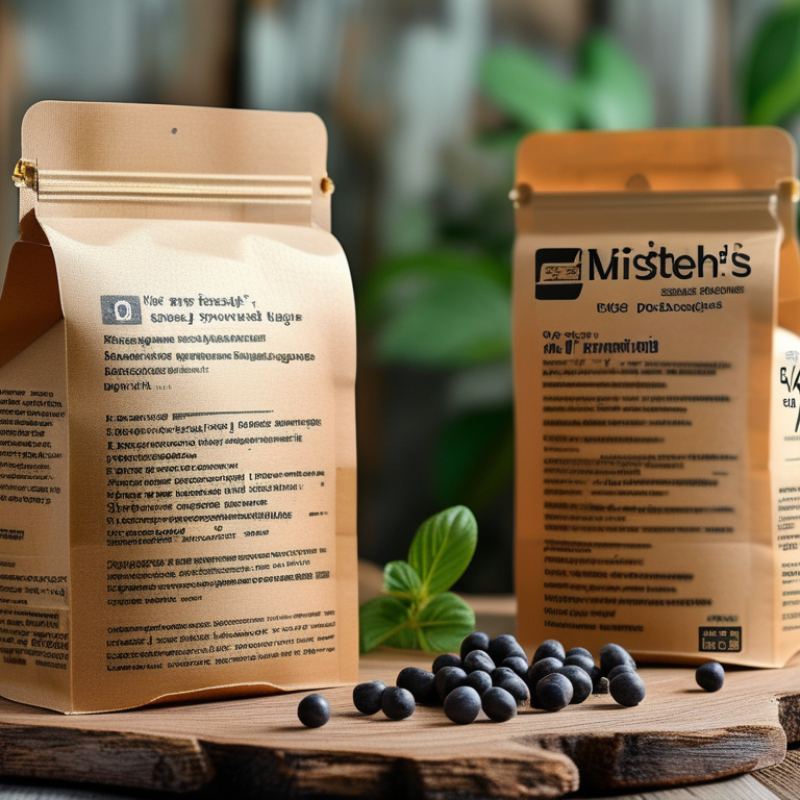
When selecting the right sachet film for packaging, understanding the types available is crucial. Various films offer different properties, impacting shelf life, barrier protection, and usability. For instance, multilayer films are often used for food products due to their exceptional barrier against moisture and gases. They can significantly extend the product's freshness.
Another option is single-layer films, which are simpler and more cost-effective for non-perishable items. However, they might not provide the same level of protection. Consider the environmental impact of your choice as well. Biodegradable films are gaining popularity, but their properties differ from conventional materials.
Each type of film comes with advantages and drawbacks. Balancing cost and performance requires careful thought. Testing different films in real-world conditions can reveal unexpected issues, such as seal integrity or product interaction. The more you learn, the more effective your packaging can be. Always seek detailed specifications from suppliers to make informed decisions.
Evaluating Barrier Properties: Moisture, Oxygen, and Light Resistance in Films
Selecting the right sachet film requires careful consideration of barrier properties. Moisture resistance is crucial for preserving product integrity. High humidity can degrade food or pharmaceuticals quickly. Films with excellent moisture barriers extend shelf life significantly. It's essential to test the materials under different humidity conditions, as performance can vary.
Oxygen permeability is another vital factor. Products like snacks and supplements are sensitive to oxygen exposure. A minimal oxygen transmission rate (OTR) is desired to prevent spoilage. This property is often tested through industry-standard methods. It's crucial to ensure the film offers sufficient protection against oxidation.
Light resistance is also important, especially for products sensitive to UV radiation. Light can alter flavor and potency. Films that block light effectively can help maintain the product's quality. Evaluating these barrier properties helps make informed choices. Some films may perform well in one area but lack in another. Balancing these elements is essential for optimal packaging solutions.
Assessing Cost-Effectiveness: Budgeting for Sachet Film Materials
When assessing cost-effectiveness for sachet film materials, start by evaluating the overall budget. Understanding material costs is crucial. Different films come with varying prices, depending on the type and durability. For instance, biodegradable films might carry a higher price tag. However, the environmental benefits can justify the investment.
Next, consider production efficiency. If your production line is slower due to flimsy materials, this could lead to increased labor costs. A thicker, more durable film may reduce issues during packing. Look for a balance between quality and cost. It’s vital to avoid overspending on unnecessary features. Sometimes the cheapest option can lead to frequent replacements.
Reflection on long-term savings is essential. Investing in high-quality sachet films often leads to reduced waste and better shelf-life for products. Analyze these factors carefully. Factoring in hidden costs can shed light on potential savings. Regularly revisiting your choices can improve your packaging strategy. Optimal solutions often require ongoing evaluations.
Comparing Environmental Impact: Biodegradable vs. Conventional Sachet Films
When considering packaging options, the environmental impact of sachet films is crucial. Biodegradable sachet films are gaining traction in the industry. Research shows that they break down within three to six months under the right conditions. This is in sharp contrast to conventional films, which can take hundreds of years to decompose, contributing to long-term pollution.
A study from the European Bioplastics Association revealed that over 50% of consumers prefer brands that use sustainable packaging. This preference drives companies to explore eco-friendly alternatives. However, biodegradable films often come at a premium price. Businesses must weigh the cost against potential benefits. It raises questions about the trade-offs in sustainability versus short-term expenses.
In many cases, consumers remain unaware of the specifics. They may believe all packaging can easily be recycled or decomposed. However, the effectiveness of biodegradable options often depends on proper disposal. This can lead to confusion and a need for more education on the topic. Brands face the challenge of ensuring transparency while meeting environmental expectations. Balancing consumer demand and environmental responsibility is essential for future packaging decisions.
Customization Options: Designing Sachet Films for Specific Product Needs
Designing sachet films requires a focus on specific product needs. Customization is paramount. The perfect sachet not only protects its contents but also enhances shelf appeal. According to a report by Smithers Pira, the global flexible packaging market is projected to reach $300 billion by 2026. This growth underscores the importance of tailored solutions.
Selecting the right materials is crucial. Options range from biodegradable to PET films, each with unique properties. For instance, moisture barriers are vital for food products, while UV protection suits cosmetics. A study published by Packaging Strategies highlights that 40% of consumers prefer customized packaging that reflects product identity. However, not all brands meet these expectations. Many underestimate consumer preferences.
Design elements also play a significant role. Bright colors and clear fonts attract attention, but simplicity is essential. Oversaturated designs can confuse consumers. Research indicates that minimalist designs often have higher recall rates. Companies must strike a balance. They should consider testing prototypes to gather feedback before full-scale production. This iterative approach can lead to significant improvements.
How to Choose the Best Sachet Film for Your Packaging Needs?
| Dimension | Description | Customization Option |
| Material Type | Polyester, Polypropylene, or Metallized Film | Choose based on barrier properties and product protection. |
| Film Thickness | Measured in microns (µm) | Customize thickness based on the product's fragility and shelf life requirements. |
| Size and Shape | Width, length, and shape of the sachet | Tailor the size to fit the volume of product being packaged. |
| Printing Options | Flexographic, digital, or rotogravure | Allow for custom graphics and branding on sachets. |
| Closure Type | Heat seal, peelable, or single-use | Choose based on consumer convenience and product longevity. |