2026 How to Choose Eco Packaging for Sustainable Business Practices?
In today’s rapidly evolving market, eco packaging has emerged as a crucial component of sustainable business practices. Industry expert Dr. Jane Thompson, a renowned specialist in sustainable materials, emphasizes, “Choosing the right eco packaging can significantly reduce a company’s carbon footprint.” As consumers become more environmentally conscious, brands must adapt their packaging strategies to meet these changing expectations.
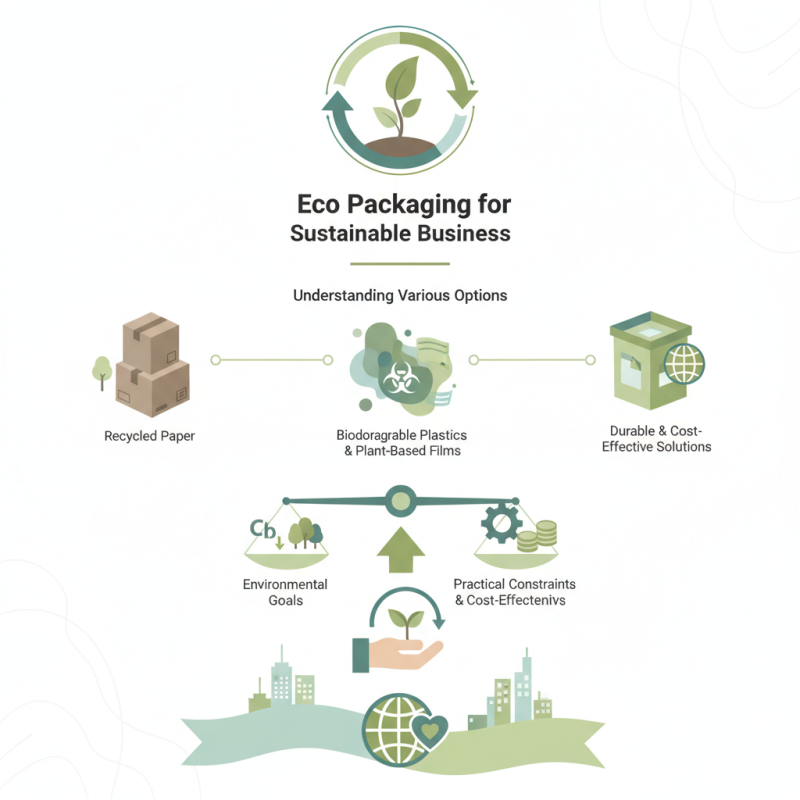
The journey to select the right eco packaging involves understanding various options available. Materials like biodegradable plastics, recycled paper, and plant-based films dominate the landscape. While these choices seem promising, not all eco packaging options align perfectly with every product. Companies may face challenges such as cost-effectiveness and durability when implementing eco-friendly solutions.
This reality prompts businesses to reflect on their priorities and impacts. An approach committed to sustainability must balance environmental goals with practical constraints. By critically evaluating packaging choices, companies can foster both innovation and accountability. Ultimately, embracing eco packaging is not just a trend; it’s a responsibility. This shift reflects a broader commitment to protecting our planet for future generations.
Understanding Eco Packaging: Definition and Importance for Sustainability
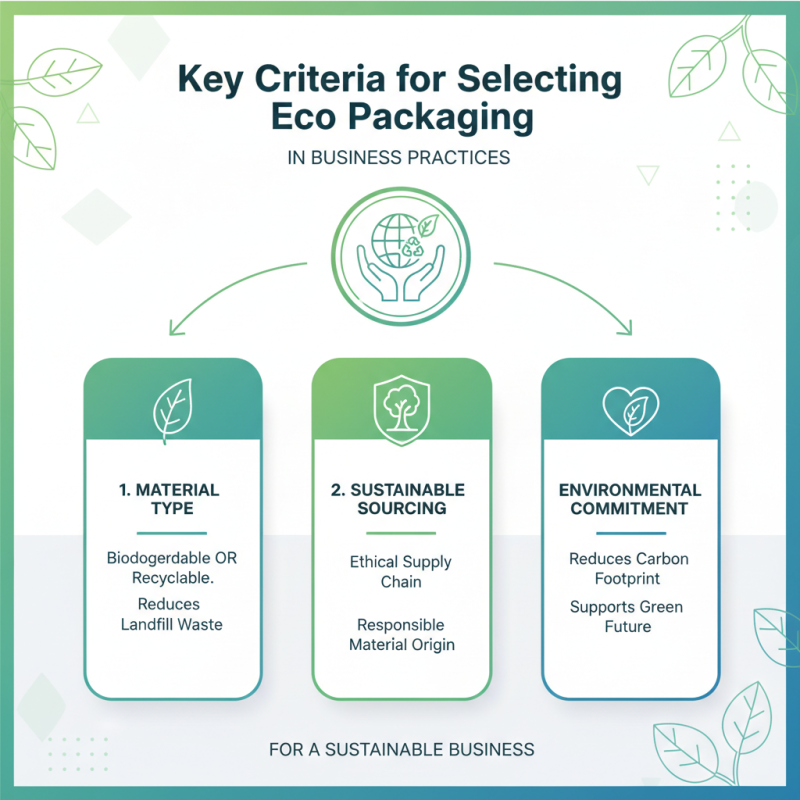
Eco packaging is more than just a trend. It represents an essential shift in how businesses approach sustainability. This packaging uses materials that are biodegradable or recyclable, minimizing waste. By prioritizing eco-friendly solutions, companies enhance their commitment to a green future.
The importance of eco packaging lies in its ability to reduce the environmental footprint. Traditional packaging often contributes significantly to landfill waste. In contrast, eco-friendly options decompose more easily. This change not only helps the planet but also appeals to eco-conscious consumers. They prefer brands that align with their values of sustainability.
Investing in eco packaging requires careful consideration. Not all materials labeled as "green" are equally effective. Some may still have environmental impacts during production or disposal. It’s crucial to evaluate the entire lifecycle of packaging materials. Transparency and reliable sourcing can build trust with customers while showcasing a brand’s responsibility.
Types of Eco Packaging: Materials and Their Environmental Impact
Choosing eco-friendly packaging is vital for sustainable business practices. Different types of eco packaging materials exist, each with unique environmental impacts. Some common materials are recycled paper, biodegradable plastics, and plant-based materials.
Recycled paper is a popular choice. It uses less energy and resources compared to virgin paper. However, it might not be as durable for all products. Biodegradable plastics break down more easily but can sometimes require specific conditions to do so. Many businesses overlook this aspect. Plant-based materials, such as cornstarch, offer a green alternative but can involve agricultural practices that have their own environmental costs.
When selecting materials, consider the entire lifecycle. Examine how they are made, used, and disposed of. This approach helps in making informed choices. Every option has its pros and cons. Prioritize transparency. Understanding each material's impact fosters responsible decisions. As awareness grows, many companies still struggle with the right choices. Continuous learning is needed in this evolving field.
2026 How to Choose Eco Packaging for Sustainable Business Practices? - Types of Eco Packaging: Materials and Their Environmental Impact
| Packaging Type |
Material |
Biodegradability |
Recyclability |
Carbon Footprint (kg CO2e/kg) |
Water Footprint (liters/kg) |
| Bioplastic |
PLA (Polylactic Acid) |
Yes |
Yes |
1.8 |
1,500 |
| Recycled Paper |
Recycled Kraft Paper |
Yes |
Yes |
0.9 |
300 |
| Glass |
Recycled Glass |
Yes |
Yes |
0.2 |
200 |
| Bamboo |
Bamboo Fiber |
Yes |
Yes |
0.4 |
1,000 |
| Compostable Film |
PLA-based Film |
Yes |
No |
1.5 |
1,200 |
Assessing Cost-Effectiveness of Eco Packaging Solutions
The journey toward sustainable business practices often hinges on choosing the right eco packaging solutions. Assessing cost-effectiveness can be challenging. According to a 2022 report by Smithers, sustainable packaging can reduce overall packaging waste by up to 30%. This statistic highlights the potential savings. However, the initial costs for eco-friendly materials can be a concern for many businesses.
Research indicates that businesses using sustainable packaging report a 20% increase in customer satisfaction. This increase often translates to higher sales over time. In contrast, a major challenge remains: the upfront investment in eco-friendly options. A survey conducted by EcoFocus in 2023 showed that 40% of businesses hesitate to switch due to cost concerns. This calls for a careful evaluation of long-term benefits versus short-term expenses.
The right eco packaging should not just focus on cost but also on its environmental impact. For instance, biodegradable materials break down more quickly in landfills compared to traditional plastics. Yet, these alternatives sometimes lack durability. Therefore, businesses may struggle with trade-offs between sustainability and product protection. Balancing these factors is crucial as the market continues evolving toward greener solutions. Companies need to critically assess their packaging choices not only for savings but also for their environmental footprint.
Case Studies: Successful Implementations of Eco Packaging in Business
Eco packaging is gaining traction as businesses strive for sustainability. Many companies are successfully implementing eco-friendly materials to align with consumer preferences. For instance, a 2022 study by McKinsey indicated that 75% of shoppers are willing to change their buying habits for sustainable products. This statistic underscores the market potential for eco packaging.
One notable case is a beverage company that transitioned to plant-based bottles. This shift reduced its carbon footprint by 30%. In another example, a fresh food retailer switched to compostable bags, achieving a 60% reduction in plastic waste. These transformations not only enhance brand image but also attract environmentally conscious consumers.
Tips: Choose materials that are locally sourced. This minimizes transportation emissions. Remember, not all biodegradable options are created equal—research their end-of-life impact. Regular assessments can help identify areas for improvement. Businesses must continually adapt and innovate in their packaging strategies.
Eco Packaging Adoption Rates by Industry in 2023