What is a Paper Bowl Forming Machine and How Does It Work?
The Paper Bowl Forming Machine plays a crucial role in today’s packaging industry. With increasing demand for eco-friendly products, this machinery has gained significant attention. It efficiently transforms raw paper material into sturdy bowls, suitable for various uses, from food service to event catering.
Understanding how a Paper Bowl Forming Machine operates is key to appreciating its value. These machines utilize a series of molds and heat to shape paper into bowls. The process is fast and can produce thousands of bowls per hour. However, it is not without challenges. The quality of paper used impacts the final product. Users must select the right type for optimal results.
Moreover, maintenance of the Paper Bowl Forming Machine is essential for consistent output. Neglecting regular checks can lead to inefficiencies. While the machine offers great potential, it requires an experienced operator to maximize productivity. This balance of technology and human oversight often poses a reflective challenge in the production line.
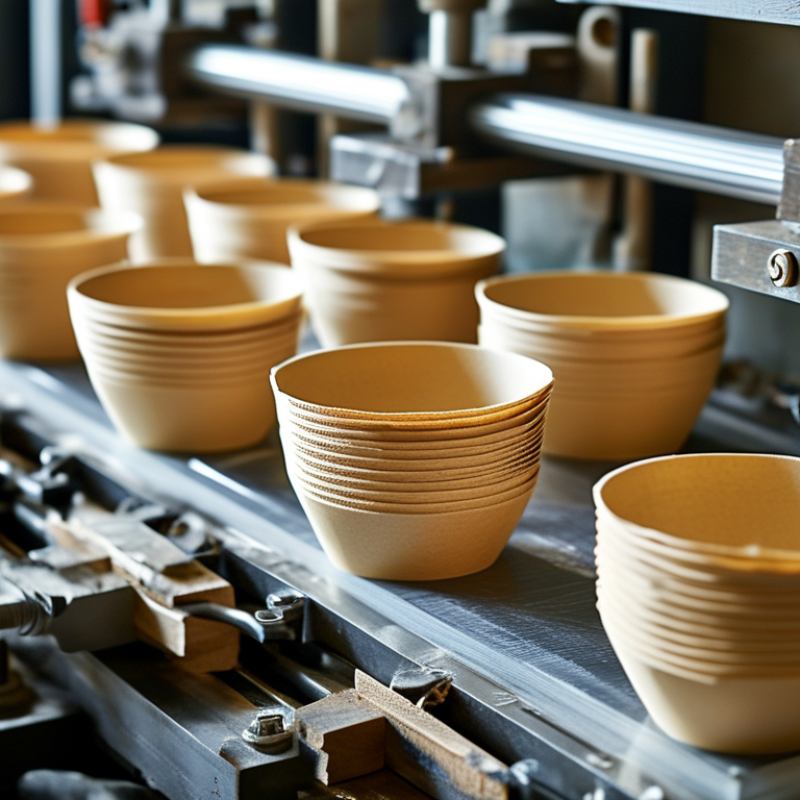
What is a Paper Bowl Forming Machine?
A paper bowl forming machine is a specialized device that produces paper bowls. These bowls are widely used in food service industries for takeout and meal delivery. The machine operates by feeding large rolls of paper into a forming section where heat and pressure shape the paper into bowls.
In recent years, the demand for eco-friendly packaging has surged. According to a report by Smithers, the global paper bowl market is expected to grow by 4.8% annually until 2025. Many consumers prefer paper over plastic, seeing it as more sustainable. This shift means that manufacturers are investing more in machines that produce lightweight, durable paper products.
Despite the advancements in technology, some challenges persist. Ensuring the consistency of bowl quality can be difficult. Machines require regular maintenance to prevent common issues, such as jams or poor sealing. Operators must be well-trained to maximize efficiency. Attention to detail in the manufacturing process remains crucial for high production standards. The industry's trajectory indicates a need for continuous improvement in both machinery and processes to meet growing consumer expectations.
Key Components of Paper Bowl Forming Machines
The paper bowl forming machine is an innovative device designed for producing various sizes of paper bowls. Understanding its key components highlights the machine's functionality and efficiency. One of the most critical parts is the forming mold. This mold shapes the paper into a bowl by applying heat and pressure. It ensures that the final product maintains its shape, strength, and durability.
Another vital element is the feeding system. This system controls how much paper is fed into the machine. Precision in this area is essential for maintaining quality. If the feeding is inconsistent, the end product may vary in thickness or size.
Additionally, the heating mechanism plays a crucial role. It activates the adhesives used in bowl formation. Without proper heat, bowls may not seal correctly.
The control panel is equally important. It allows operators to adjust settings easily. This ensures that production aligns with specific requirements. However, troubleshooting this component can be challenging. If the settings are off, it can lead to wasted material and time.
Each component works together to produce efficient results. Yet, maintaining balance in performance is something that requires continuous attention and reflection.
The Paper Bowl Production Process: Step-by-Step
The paper bowl production process involves several key steps, each contributing to the efficient creation of sturdy, eco-friendly bowls. Initial material preparation is crucial. High-quality paper rolls, typically made from recycled materials, are chosen for their strength and durability. According to industry reports, the global demand for paper bowls is projected to grow by 5% annually, reflecting a shift towards sustainable packaging options.
Next, the paper is converted into shapes through a forming machine. This machine molds the paper into the desired bowl shape using heat and pressure. The process generally consists of three main stages: forming, drying, and stacking. During forming, the machine cuts and shapes the paper into bowl forms. Drying is essential to ensure the bowls hold their shape and are water-resistant. Once dried, the bowls are stacked for easy packaging and distribution.
However, challenges arise in maintaining quality. Variability in paper thickness can affect bowl strength. Manufacturers must ensure consistent quality control throughout. A report by the Sustainable Packaging Coalition suggests that up to 15% of production may need reworking due to defects. This highlights the ongoing need for manufacturers to refine their processes and technology.
Industry Trends: Growth and Demand for Eco-Friendly Packaging
The demand for eco-friendly packaging is rapidly rising. This shift responds to growing environmental concerns. Consumers are more aware of the impact of plastic waste. Businesses are seeking sustainable alternatives, leading to increased interest in paper products.
Paper bowls, as a sustainable option, are gaining traction in various industries. The use of biodegradable materials appeals to eco-conscious consumers. It’s essential for companies to adapt to these preferences. However, many struggle with the transition. Not all paper products meet high standards of quality and durability. This inconsistency can create challenges for brands aiming to provide reliable packaging solutions.
The future looks promising for the paper bowl market. Advances in forming machines are improving efficiency and production speed. However, there remain hurdles. Some companies may lag behind in adopting these technologies. Educating manufacturers about sustainable practices can bridge this gap. The journey toward a greener future requires ongoing effort and reflection in the industry.
Technical Specifications: Machine Output and Efficiency Metrics
A Paper Bowl Forming Machine is a crucial device in the food packaging industry. It creates eco-friendly bowls from paper materials. Key technical specifications include output speed and efficiency. Many machines can produce 40 to 120 bowls per minute. This range can significantly impact production capabilities.
Efficiency metrics show that a well-optimized machine reduces waste and maximizes resource usage. Recent industry reports indicate that a 10% improvement in machine productivity can lead to substantial savings. In a large-scale operation, this could amount to thousands of dollars annually. Expected downtime should also be considered. Regular maintenance and operator training can mitigate issues.
Tips: Regularly assess machine performance. This helps identify inefficiencies. Incorporating advanced technology can improve output rates. Before implementation, consider the total budget for purchasing and running the machine. A thorough analysis can uncover potential areas for cost-saving.