Top 10 Book Printing Inspection Tips for Quality Control?
In the competitive world of publishing, ensuring high-quality book printing is essential. Book Printing Inspection plays a pivotal role in this process. It involves checking various aspects of the printed materials, from color accuracy to binding integrity. Even minor flaws can affect the reader's experience.
Pain points arise during the inspection phase. Readers may spot misaligned text or fading colors. These mistakes may not destroy a book, but they can lead to negative perceptions. Publishers and printers must ensure that every printed copy meets the desired standards. It demands keen attention to detail and a thorough understanding of printing processes.
Inspecting every aspect may seem overwhelming. However, it's crucial to develop effective strategies to streamline the inspection. Each step should focus on quality over speed. Remember, an overlooked error can lead to costly reprints. Emphasizing quality control through diligent Book Printing Inspection can save both time and resources.
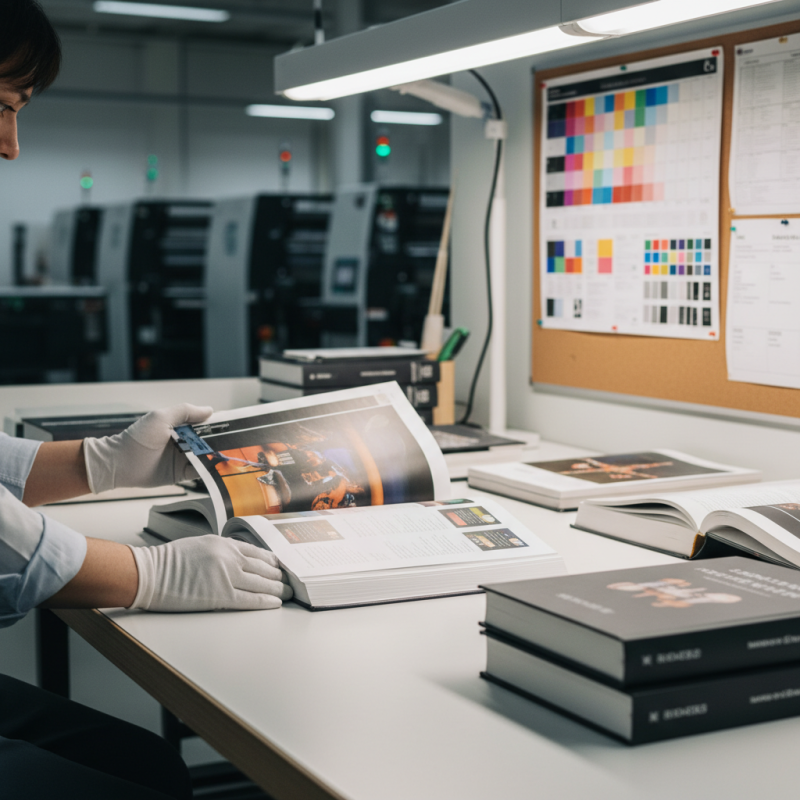
Understanding the Importance of Book Printing Inspection in Quality Control
In the world of publishing, book printing inspection plays a vital role in quality control. It ensures that the final product meets the expectations of authors and readers. Quality control starts long before the book hits the shelves. Every page should be scrutinized carefully for color accuracy, alignment, and text clarity. This attention to detail can prevent disappointing outcomes.
Many printers overlook minor defects, thinking they won't be noticed. However, even small errors can impact a reader's experience. For instance, color inconsistencies in images can make illustrations appear dull. Poor binding might lead to pages falling out, which can frustrate readers. Regular inspections help catch these issues early and save costs in the long run.
Inspecting printed proofs is essential. It allows for a final look at any inconsistencies. Sometimes, discrepancies emerge only when the book is in hand. These moments drive home the importance of a robust quality control process. It’s not just about aesthetics; it’s about delivering a product that resonates with the audience and upholds the integrity of the story within. Failing to prioritize this can lead to larger setbacks down the road.
Key Factors to Consider During the Book Printing Inspection Process
When inspecting book prints, several key factors come into play. Checking the cover's color accuracy is essential. A dull or faded cover can misrepresent your brand. Ensure that images are sharp and that colors are vibrant. Sometimes, colors look good on screens but differ on paper.
Examining the text is equally important. Look for consistency in font and alignment. Any typos or misalignments can undermine the quality. The paper quality should not be overlooked. Is it too thin or too rough? The feel of the paper can impact the reader's experience. Also, pay attention to binding quality. Loose or misaligned pages can frustrate customers.
Finally, check for any printing defects. Look for smudges or creases. These issues can tarnish the entire product. If any errors are found, document them. Reflection on the inspection process helps improve future prints. Quality control is an ongoing journey.
Top 10 Book Printing Inspection Tips for Quality Control
| Tip No. | Inspection Tip | Key Factors | Importance |
| 1 | Check Print Resolution | Clarity, Detail | High |
| 2 | Verify Color Accuracy | Color Matching, Consistency | High |
| 3 | Inspect Binding Quality | Strength, Durability | Critical |
| 4 | Assess Paper Quality | Texture, Thickness | Medium |
| 5 | Examine Trim and Cutting | Precision, Alignment | High |
| 6 | Check for Printing Errors | Misprints, Blurs | Very High |
| 7 | Review Layout and Design | Readability, Aesthetics | Medium |
| 8 | Assess Finish and Coating | Gloss, Matte | Low |
| 9 | Check Margins and Spacing | Consistency, Balance | Medium |
| 10 | Conduct Final Review | Overall Quality | Critical |
Step-by-Step Guide to Conducting Effective Quality Inspections
When conducting effective quality inspections in book printing, meticulous attention to detail is crucial. Industry reports show that up to 30% of printed materials may contain defects if not properly inspected. This staggering number highlights the importance of comprehensive quality control measures throughout the printing process.
Begin by checking color accuracy. Use a color calibration tool to ensure your prints match the intended design. Remember, even minor color discrepancies can affect customer satisfaction. Next, focus on print alignment. Misaligned text and images can ruin the visual impact of a book. A thorough inspection should involve flipping through pages to ensure each appears correctly positioned.
Binding quality is another critical area. Poor binding can lead to pages falling out or misalignment. It's important to assess the sturdiness of the spine and edges after printing. An alarming statistic reveals that nearly 15% of poorly bound books are returned by customers. Therefore, implementing a checklist for inspections is vital. This should include specific criteria such as paper quality, ink consistency, and finishing details. Ensure each point is documented during the inspection phase. It's not enough just to look; you must record each finding for future analysis. This process allows for adjustments and improvements, making it essential for long-term success in the printing industry.
Common Defects to Identify During Book Printing Inspections
When inspecting book printing, it’s crucial to identify common defects. These can greatly affect the overall quality. A recent industry report indicated that nearly 20% of printed books exhibit some form of flaw. Even minor errors can lead to customer dissatisfaction.
Color consistency is a significant aspect to check. Misalignment of colors can occur, causing a printed page to look uneven. Inspectors should look for variations in hue or saturation. A shift of just a few percentages can change a book's visual appeal drastically. Regular calibration of printing equipment can help mitigate this issue.
Another defect to monitor is page alignment. Pages should print in an exact sequence. Misaligned pages may disrupt the reading experience. Inspectors must verify that each page appears correctly. Even a slight error in pagination can confuse readers. Always conduct random checks throughout the print run.
Tip: Maintain a checklist for inspections. This can streamline the process and ensure that no detail is overlooked. Investing time in these inspections can save costs related to reprints. Remember, quality assured books lead to higher customer satisfaction.
Best Practices for Documenting Inspection Results and Feedback
Effective documentation of inspection results is vital in the book printing industry. According to recent industry data, 70% of printing defects can be traced back to insufficient documentation processes. Inspectors must record their findings meticulously. This helps maintain quality control and provides invaluable insights for future projects.
When documenting feedback, clarity is essential. Use standardized forms or digital platforms to capture data consistently. Include specific details like color accuracy, alignment issues, and paper quality. Create a system for tracking changes over time. This allows teams to identify patterns and address recurring problems. Regular reviews of documented results foster a culture of continuous improvement.
Regular training is another tip worth considering. Many inspectors overlook the importance of staying updated on the latest printing technologies. Inadequate knowledge can lead to missed defects. Scheduled workshops can bridge this gap. They can enhance inspectors’ skills and empower them to provide more constructive feedback. This ensures quality does not suffer due to outdated practices. Emphasis on feedback loops is essential. Inspectors should not only identify issues but also communicate suggestions for improvement. This holistic approach can drive significant advancements in print quality.