Top 10 Uses of Cardboard Cores You Didnt Know About?
Cardboard cores are often overlooked in everyday use. These lightweight cylinders have many practical applications. While many people dispose of them after using rolls of tape or wrapping paper, they can be quite useful.
From crafting to storage solutions, cardboard cores offer endless possibilities. You can create unique art projects, or organize cables and cords. Many simply toss them away, missing out on their potential. Using cardboard cores creatively can reduce waste and uplift your space.
Exploring new uses for these items can spark creativity. Think about DIY projects that could benefit from their sturdy structure. Embracing these ideas allows for a more sustainable lifestyle, while also enhancing your home decor. Let’s dive into the top 10 innovative ways to utilize cardboard cores!
Innovative Packaging Solutions Utilizing Cardboard Cores
Cardboard cores are often overlooked, yet they hold immense potential for innovative packaging solutions. These sturdy tubes play a crucial role in various industries, from textiles to food products. They can be recycled and repurposed, making them an environmentally friendly choice. For instance, businesses can use cardboard cores to create custom packaging that fits the product snugly. This not only reduces waste but also enhances product presentation.
Tips: Consider using repurposed cardboard cores in your packaging design. They can help showcase your commitment to sustainability. Additionally, explore creative ways to personalize these cores. Custom branding can make a significant impact on your packaging’s appeal.
Creative use of cardboard cores can also enhance product functionality. They can serve as dividers in boxes, keeping items safe during transit. When designing, remember that not all cores are perfect. Some may have minor imperfections. Embrace these quirks, as they can give your product a unique identity. Ultimately, experimenting with cardboard cores can lead to surprising and efficient packaging solutions.
Creative Uses in Arts and Crafts with Cardboard Cores
Cardboard cores are often overlooked, but they can spark creativity in arts and crafts. These cylindrical shapes are more than just waste. In fact, they can be transformed into unique art pieces or functional items. One study from the Packaging Association found that around 30% of cardboard materials can be repurposed, leading to less waste and more innovative uses.
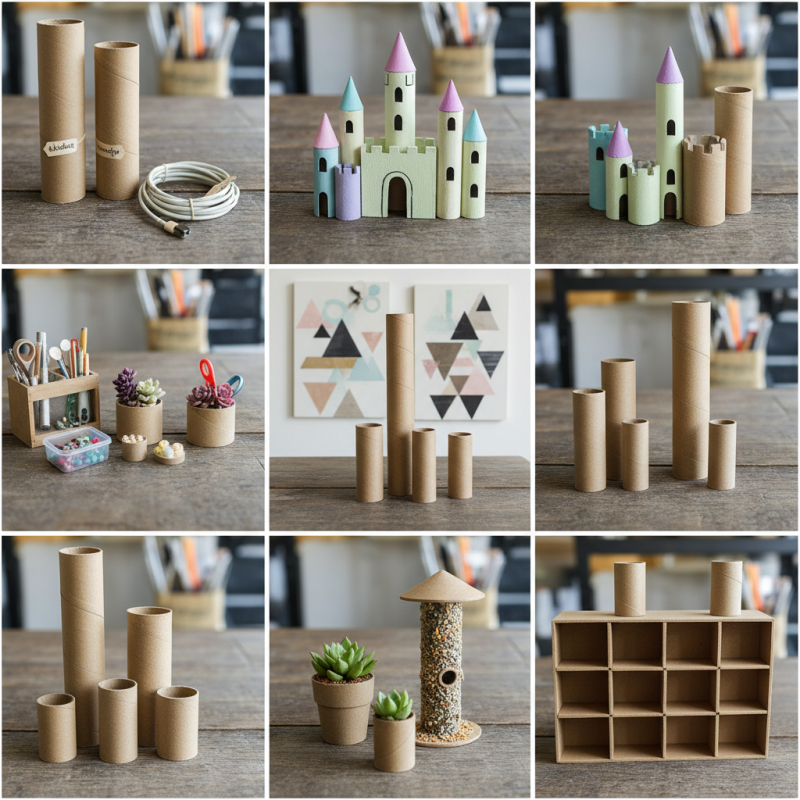
Consider making a tabletop organizer using cardboard cores. By cutting them into different heights, you can create sections for pens, brushes, or other craft tools. This simple project not only declutters your workspace but also encourages recycling. According to a report by the Environmental Protection Agency, recycling cardboard saves 24% of the energy used to produce new products.
Another idea is to turn the cores into decorative items. Wrapping them with colorful paper or paint can make stunning vases or wall art. The DIY community increasingly values eco-friendly projects, as it not only supports sustainable practices but also allows for personal expression. Yet, many might hesitate to experiment due to concerns about complexity or aesthetics. It’s important to embrace mistakes in the process; imperfect creations can add character and authenticity to your work.
Cardboard Cores in Organizing and Storage Applications
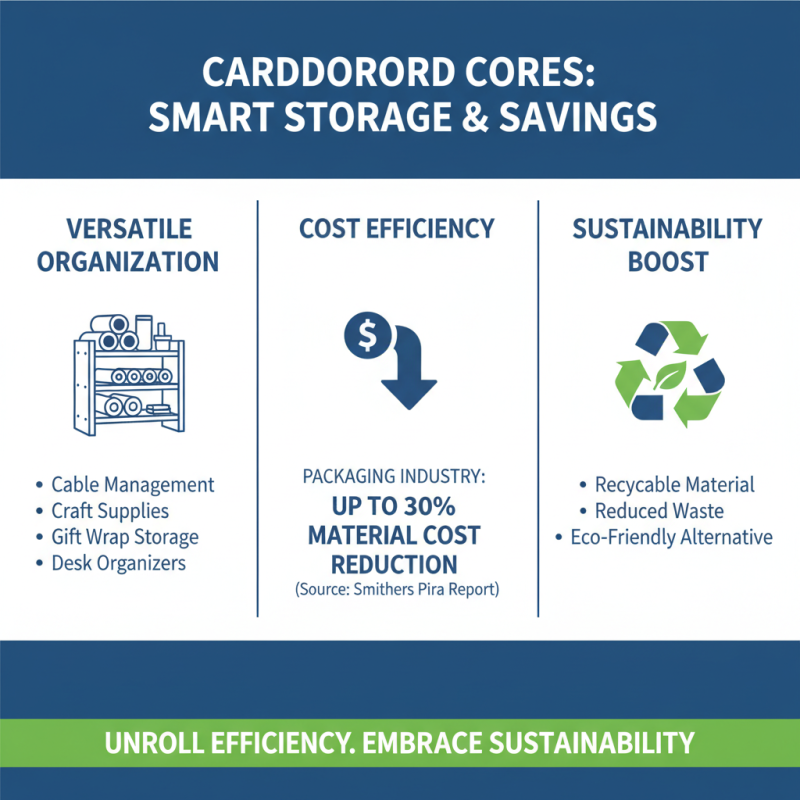
Cardboard cores are often overlooked in organizing and storage. However, they offer versatile solutions that can enhance efficiency. In the packaging industry, a report by Smithers Pira states that using cardboard for cores can reduce material costs by up to 30%. This application is not just economical; it also promotes sustainability.
In homes and offices, cardboard cores can be repurposed for organizing cables and documents. By simply cutting them to size, they can serve as cable organizers or file holders. A study from The International Journal of Design suggests that using such repurposed items can lead to a 15% increase in workspace efficiency. However, users must reflect on their organization methods. Not all cores are created equal; some may lack durability over time.
Despite their benefits, not everyone realizes their true potential. A survey indicated that 40% of respondents were unaware of using cardboard cores creatively. Improper use can result in clutter rather than organization, which defeats the purpose. It’s essential to evaluate how to implement them effectively to avoid common pitfalls.
Sustainable Practices: Recycling Cardboard Cores in Various Industries
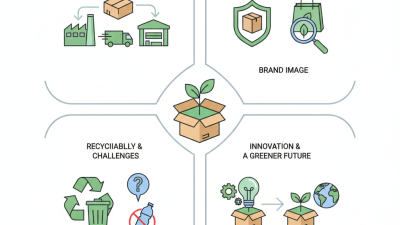
Cardboard cores are often overlooked in sustainability discussions. These cylindrical structures, primarily used for holding products like paper and textiles, have significant recycling potential. According to a recent study by the Paper & Paperboard Packaging Environmental Council, nearly 80% of cardboard used in the United States is recycled. This statistic highlights the importance of integrating cardboard cores into circular economy practices.
Industries can repurpose cardboard cores creatively. For example, in the construction sector, they can be transformed into insulation materials. A report by the U.S. Environmental Protection Agency indicates that reusing cardboard significantly reduces landfill waste. Additionally, the automotive industry utilizes these cores for packaging components during manufacturing. Each recycled core reduces the carbon footprint by conserving energy and resources.
Yet, challenges persist. Not all facilities accept cardboard cores for recycling. Some customers, unaware of their potential, discard them improperly. Education is crucial. Various organizations are advocating for better awareness regarding the recycling of these materials. Bridging the gap between usage and recycling could further enhance sustainability efforts across industries.
Functional Applications: Cardboard Cores in Industrial Manufacturing
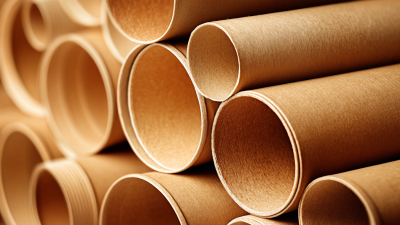
Cardboard cores are often overlooked, yet they play important roles in industrial manufacturing. These seemingly simple tubes are versatile and functional. They serve as holders for rolled materials like paper or fabric. They provide structure and support during production. In many cases, they are crucial for the efficient operation of machinery.
Beyond their basic functions, cardboard cores offer unique applications. They can be used as spacers in layered products, helping to organize and protect materials. Their lightweight nature reduces transportation costs and simplifies handling. Some factories create custom cores for specific machinery needs. Adapting cores for different products can enhance workflow but requires careful planning. The process can be challenging.
Even with their advantages, there are limitations. Not every product suits cardboard cores. For heavier materials, stronger solutions may be required. Companies sometimes overlook the environmental impact of alternatives. Choosing biodegradable options often involves more than just functionality. These considerations need addressing for sustainable practices in manufacturing.