How to Use PVC Clear Sheet for DIY Projects and Home Improvements?
PVC Clear Sheet has gained popularity in recent years due to its versatility and durability. According to a report by MarketsandMarkets, the global PVC film market is expected to reach $19.2 billion by 2026. This growth reflects the increasing applications of materials like PVC Clear Sheet in various industries, including construction and DIY projects. Its transparent nature allows for creative design options while providing protection and weather resistance.
When working on DIY projects at home, the use of PVC Clear Sheet can make a significant difference. It serves well as a barrier against dust and moisture. Many homeowners use it in crafting, creating custom displays, or protecting surfaces. However, challenges may arise in cutting and handling the material precisely. This requires careful measuring and appropriate tools. The learning curve can be steep for beginners.
Despite these challenges, the advantages of PVC Clear Sheet outweigh the potential setbacks. Creative solutions and experiments can lead to impressive results. It encourages innovation while addressing practical needs in home improvements. Engaging with this material can open new opportunities for enhancement in everyday spaces.
Understanding PVC Clear Sheets: Composition and Properties
PVC clear sheets are versatile materials made from polyvinyl chloride. They are popular in DIY projects. Their clarity resembles glass but is much lighter. This property makes them ideal for various home improvements. They resist UV light, moisture, and chemicals, enhancing their longevity.
When using PVC clear sheets, consider your specific needs. If you want insulation, select thicker options. Thicker sheets have greater durability but can be harder to work with. For simpler applications, thinner sheets are sufficient. They’re easier to cut and shape. However, they may not provide the desired sturdiness.
Tips: Always use a sharp utility knife for cutting. It ensures clean edges. Additionally, wear safety goggles. This protects your eyes from the acrylic dust. If you're unsure, practice on scrap pieces. It helps build confidence in your skills. Remember, the fit may not always be perfect. Adjustments may be necessary. Embrace those challenges as part of the creative process.
How to Use PVC Clear Sheet for DIY Projects and Home Improvements
| Property | Description |
| Material Composition | Polyvinyl Chloride (PVC) |
| Thickness Options | 0.5mm to 3mm |
| Transparency | High clarity for visibility |
| Weather Resistance | Excellent resistance to UV light and moisture |
| Common Uses | Indoor and outdoor signage, protective covers, DIY crafts |
| Ease of Cutting | Can be easily cut with utility knife or scissors |
| Maintenance | Easy to clean with mild soap and water |
| Cost Effectiveness | Affordable compared to glass and other materials |
Common Applications of PVC Clear Sheets in DIY Projects
PVC clear sheets are versatile for various DIY projects and home improvements. They can be used to create protective barriers, display cases, or even custom furniture. Reports indicate that the global PVC market size is expected to reach $88 billion by 2027, highlighting its widespread popularity. This growing demand showcases the material's adaptability in both residential and commercial applications.
One common application of PVC clear sheets is as a protective covering. Homeowners often use them to shield surfaces from damage or wear. For example, a clear sheet can protect a dining table from scratches, while also allowing the table's beauty to show through. This practical use is supported by data showing a 15% increase in home improvement projects involving protective materials over the past year.
Here are some tips: Cut the sheets carefully to avoid jagged edges. Use a utility knife or scissors for precise cuts. For a polished look, consider rounding the corners. Additionally, while PVC sheets are durable, they can become scratched over time. Regular maintenance is essential to keep them looking clear and fresh. Mistakes can happen, so experimentation is a part of the process. Remember, not every project will turn out perfect on the first attempt.
Step-by-Step Guide: Cutting and Shaping PVC Clear Sheets
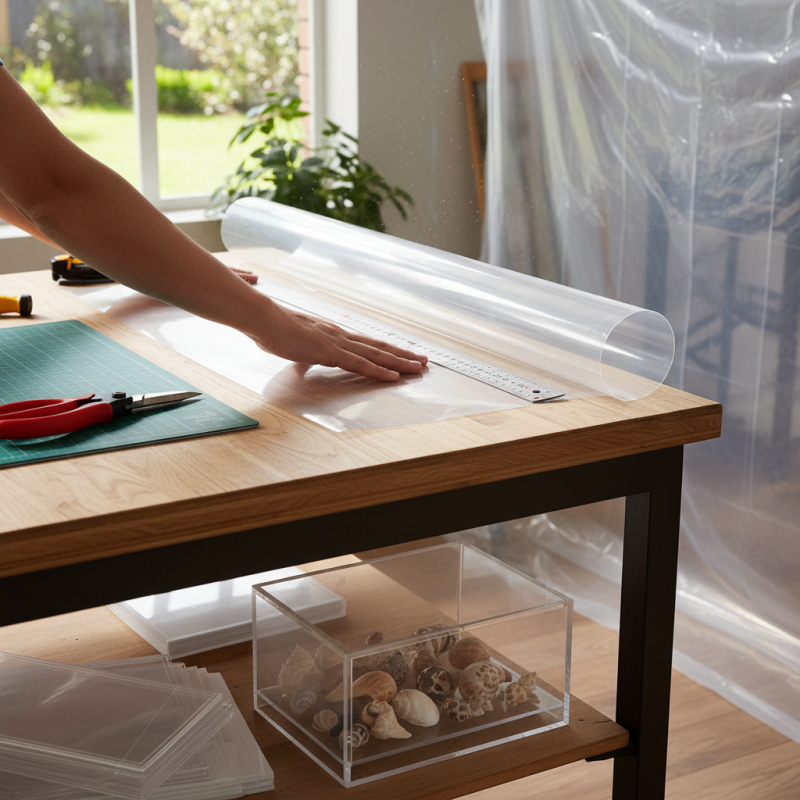
Cutting and shaping PVC clear sheets can be quite straightforward. Start by gathering your materials: a cutting mat, a utility knife, and a ruler. Measure the dimensions you need and use the ruler to mark straight lines on the sheet. Sometimes, the measurements can be a bit off. Don’t fret; always double-check before cutting. You want precise edges for a clean fit.
Once you’re ready to cut, place the clear sheet firmly on the mat. Use your utility knife to follow the marked line. Apply even pressure; you may need several passes for a clean cut. If you don't press hard enough, the sheet will remain uncut in some areas, leading to uneven edges. Remember, shaping might require heat. A heat gun can help you bend the sheet. However, keep the distance steady, so you don’t overheat and warp the material unexpectedly.
After shaping, inspect your work. It's easy to notice small imperfections. These can be frustrating, but they offer an opportunity for improvement in future projects. Sanding down rough edges is often necessary. It allows for a better finish and a professional touch. Remember, DIY is about learning through trial and error. Each project teaches something valuable, even if it doesn't turn out perfect.
DIY Projects and Home Improvements Using PVC Clear Sheets
Using Adhesives and Fasteners for PVC Clear Sheet Projects
When using PVC clear sheets for DIY projects, proper adhesives and fasteners are crucial. According to a recent industry report, over 70% of successful projects rely on the right bonding techniques. PVC sheets need specific adhesives that ensure longevity and durability. Not all adhesives work with PVC; some can degrade over time. Always check compatibility.
Mechanical fasteners, such as screws and clips, can enhance security. For instance, using stainless steel screws prevents rust and degradation. A study noted that projects employing mechanical fasteners tend to last 20% longer. However, it's essential to avoid overtightening, which can crack the PVC. Maintaining balance is key.
In terms of aesthetics, clear sheets offer visibility but can show adhesive marks or scratches easily. Regularly evaluate your methods. If something doesn’t hold well, rethink your approach. Experimentation is crucial, yet understanding the basics of materials can save time and resources. Remember, not every method will work perfectly for every project.
Maintenance Tips for Longevity of PVC Clear Sheet Installations
Maintaining PVC clear sheet installations is crucial for durability. According to industry reports, proper care can extend the lifespan of these sheets to more than 10 years. Over time, PVC can discolor and become brittle if not cared for correctly. Regular cleaning is essential. Use a soft cloth and mild soap. Avoid abrasive cleaners that can scratch surfaces.
Tips: Use a sealant on the edges. This prevents moisture infiltration. Moisture can lead to warping and deterioration over time. Another tip is to store sheets properly. Keep them in a cool, dry place, away from direct sunlight. Heat can warp PVC, making it less effective for your projects.
It's important to check for damage regularly. Small cracks can worsen if left unattended. Replace any compromised sheets as needed. This proactive approach can save time and costs in future repairs. Ultimately, keeping an eye on your installations ensures they serve their purpose efficiently and effectively for years to come.