Top 10 Best Printed Cardboard Options for Global Buyers?
In the evolving world of packaging, printed cardboard holds a prominent position. Many global buyers search for reliable and visually appealing options. This material combines functionality and creativity, making it a favorite in various industries. The charm of printed cardboard lies in its versatility. It adapts to various designs while ensuring durability and protection for products.
Yet, not every printed cardboard option meets high standards. Discrepancies in quality can lead to unsatisfactory customer experiences. When selecting printed cardboard, buyers must consider factors like printing techniques, finish quality, and environmental impact. Some products look good but fall short in strength. Others prioritize sustainability, yet lack aesthetic appeal.
It’s essential for buyers to explore different options thoughtfully. Understanding the specifics of printed cardboard can lead to better decisions. With this guide, we aim to highlight ten exceptional choices for global buyers. These selections are backed by expertise, ensuring reliability and effectiveness in meeting diverse needs.

Printed Cardboard: An Overview of Material Types and Their Uses
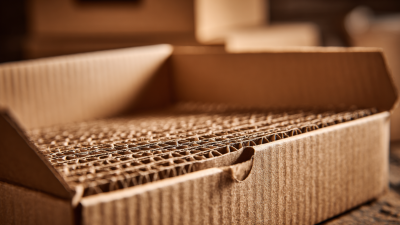
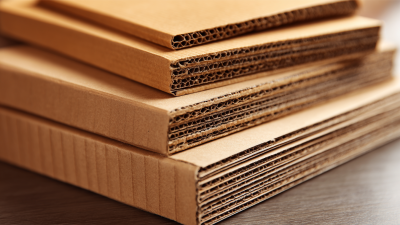
Printed cardboard has become a popular choice among global buyers due to its versatility and eco-friendliness. Different material types serve various purposes. Common types include corrugated cardboard, paperboard, and specialty printed cardboard. Each has unique properties catering to diverse industries. Corrugated cardboard offers durability, making it ideal for shipping, while paperboard is perfect for retail packaging.
When selecting printed cardboard, consider the intended use. Will it be displayed in a store or shipped internationally? For retail, aesthetics matter. High-quality graphics can attract customers. If shipping is key, focus on structural strength.
Tips for choosing the right printed cardboard: Assess the weight capacity needed. Check if the cardboard is recyclable. Look for options that balance cost and quality. Remember, not all printed cardboard is created equal. Seek samples to ensure your expectations meet reality. Understanding these aspects can lead to better purchasing decisions.
Top 10 Best Printed Cardboard Options for Global Buyers
| Material Type |
Thickness (mm) |
Weight (g/m²) |
Print Quality |
Common Uses |
| Kraft Cardboard |
1.5 - 3.0 |
250 - 400 |
Good |
Packaging, Eco-friendly Products |
| Coated Paperboard |
0.3 - 0.9 |
200 - 350 |
Excellent |
High-End Packaging, Cosmetics |
| Flute Board |
3.0 - 7.0 |
300 - 500 |
Good |
Corrugated Packaging, Retail Boxes |
| Artboard |
0.5 - 1.0 |
250 - 400 |
Excellent |
Greeting Cards, Invitations |
| Chipboard |
1.5 - 4.0 |
800 - 1200 |
Fair |
Shoe Boxes, Game Boards |
| Recycled Cardboard |
2.0 - 5.0 |
300 - 600 |
Good |
Eco-friendly Packaging |
| SBS (Solid Bleached Sulfate) |
0.5 - 1.0 |
300 - 500 |
Excellent |
Premium Packaging, Labels |
| Newsprint |
0.1 - 0.5 |
60 - 100 |
Fair |
Catalogs, Flyers |
| Luxury Packaging Board |
0.5 - 1.5 |
350 - 600 |
Excellent |
Luxury Products, Gift Boxes |
| Bagasse Board |
1.0 - 2.5 |
250 - 400 |
Good |
Food Packaging, Containers |
Factors to Consider When Choosing Printed Cardboard Options
When selecting printed cardboard options, buyers should consider several key factors. First, the material quality is crucial. High-quality cardboard ensures durability and better print quality. Low-grade cardboard may lead to poor color representation and reduced structural integrity. Choosing the right thickness is also important. Thicker cardboard typically offers better support, while thinner options can be more economical.
Another significant factor is the printing technique. Different methods serve various purposes. Digital printing is great for shorter runs and vibrant colors. Meanwhile, offset printing can be ideal for larger orders due to its consistency and lower cost per unit. Buyers should also reflect on sustainability. Options made from recycled materials are not only environmentally friendly but can also enhance brand reputation.
Lastly, consider the intended use. Is the cardboard for packaging, advertising, or something else? Each use may require specific features. Reflect on design elements, such as texture and finish, as these can impact customer perception. Imperfections in designs might even evoke a sense of authenticity, a trend many consumers appreciate today.
Top 10 Printed Cardboard Products for Global Buyers: A Comparative Review
When considering printed cardboard options, quality and affordability stand out. Buyers must assess materials that balance durability and print clarity. Look for offerings that showcase vibrant colors and fine detail. This ensures your design captures attention effectively.
Tip: Evaluate the weight of the cardboard. Heavier options often provide better durability, particularly for packaging. However, overdoing it can increase shipping costs. Find a sweet spot based on your specific needs.
Another critical factor is environmental impact. Eco-friendly materials are increasingly in demand. Sustainable options can enhance your brand’s reputation. However, verifying certifications can be complex. Engage with suppliers to understand their practices.
Tip: Always request samples before making a bulk order. This helps in assessing print quality and material feel. Don’t rush this process. A little extra time can save significant future costs and dissatisfaction.
Top 10 Printed Cardboard Options for Global Buyers
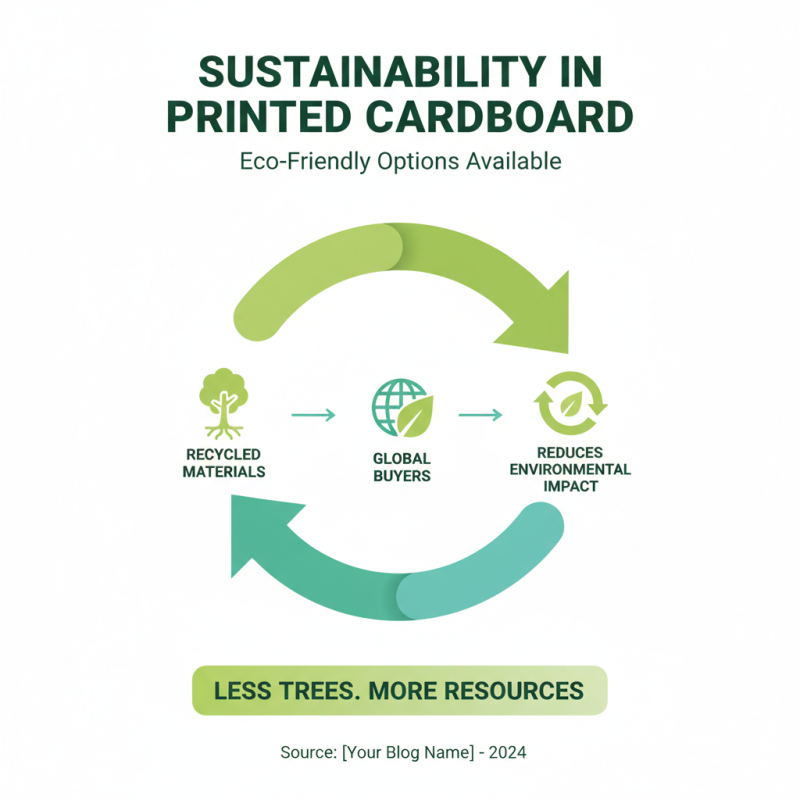
Sustainability in Printed Cardboard: Eco-Friendly Options Available
In recent years, sustainability has become a key focus for manufacturers and consumers alike. Printed cardboard is no exception. Global buyers increasingly seek eco-friendly options that reduce environmental impact. These alternatives often incorporate recycled materials, ensuring that fewer trees are cut down for production. This practice not only conserves resources but also enhances the overall sustainability of packaging.
The shift towards sustainability in printed cardboard involves various innovative processes. Many options use water-based inks and biodegradable coatings, making disposal easier and less harmful. Some manufacturers explore alternative fibers, such as agricultural waste, to create durable products. This shift is commendable, yet it raises questions about consistency in quality and performance. Not all eco-friendly materials provide the same strength or print clarity as traditional options.
While many consumers prioritize eco-friendliness, awareness of the values and benefits of printed cardboard remains uneven. Some businesses may still opt for cheaper, less sustainable materials. The challenge lies in balancing cost and sustainability. Buyers must navigate between finding attractive designs and ensuring responsible choices. Increased transparency in the supply chain can support informed decisions, but it demands ongoing commitment from producers and consumers.
Future Trends in Printed Cardboard for Global Markets and Consumers
The printed cardboard market is evolving rapidly. According to a recent report from Smithers Pira, the global printed cardboard market is expected to reach $400 billion by 2025. This growth can be attributed to increasing consumer demand for sustainable packaging solutions. Companies are exploring innovations that reduce environmental impact.
Sustainable materials are becoming essential. Around 70% of consumers prefer packaging made from recycled materials. Many brands are shifting towards biodegradable inks and coatings. These materials not only help the environment but also appeal to eco-conscious customers. Yet, sourcing these sustainable options can be challenging for manufacturers. They often face higher upfront costs and a complex supply chain.
Emerging trends include enhanced digital printing technology. It allows for greater customization, which attracts businesses looking to stand out. However, this technology requires a significant investment, which not all companies can afford. Furthermore, the speed of changes in consumer preferences poses a risk. The printed cardboard sector needs to adapt quickly or risk being left behind.